
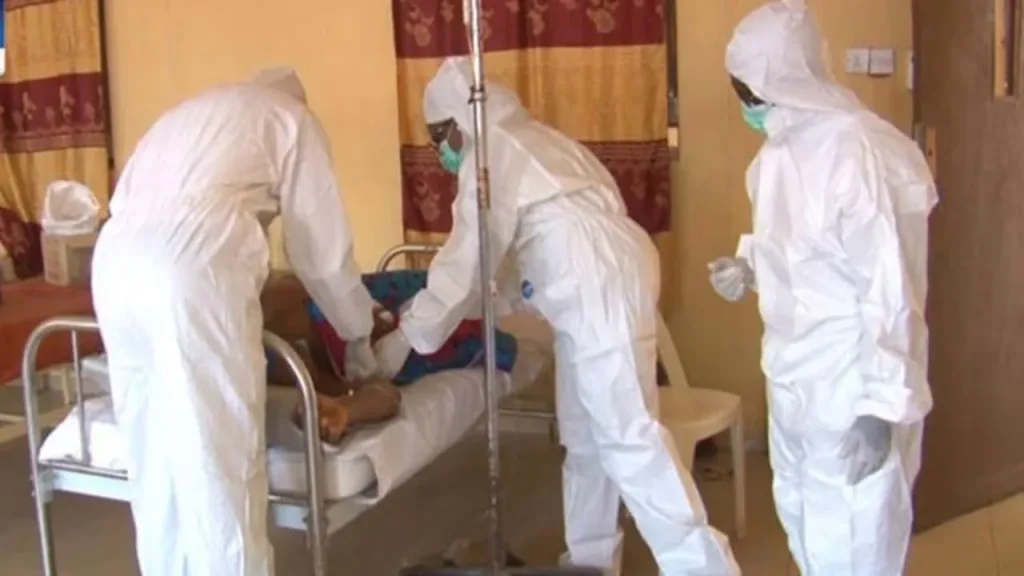
Lassa fever has claimed 168 lives across 21 states in Nigeria this year, according to the Nigeria Centre for Disease Control and Prevention (NCDC). The agency’s situation report for epidemiological week 38 recorded 4,543 suspected cases, of which 897 were confirmed positive, resulting in a case‑fatality rate of 18.7 percent.
The outbreak is concentrated in four states—Ondo, Edo, Taraba and Bauchi—which together account for 67 percent of all confirmed cases. Ondo state bears the highest burden, followed by Edo and Bauchi. Additional states reporting cases include Ebonyi, Benue, Kogi, Gombe, Plateau, Kaduna, Nasarawa, Enugu, Delta, Anambra, Rivers, Borno, Oyo, Ogun, the Federal Capital Territory and Lagos.
Most confirmed cases occur among individuals aged 21 to 40, affecting both men and women. This age group is the most socially and economically active, increasing their exposure to the disease and highlighting the potential economic and social impacts of the outbreak.
Lassa fever is an acute viral haemorrhagic illness transmitted to humans through contact with contaminated food or household items, typically contaminated by the urine or faeces of infected rats. The NCDC report underscores the need for continued vigilance and preventive measures to combat the outbreak.
Given that the most productive segment of the population is most affected, it is essential to monitor the situation closely and implement effective control strategies. The Nigerian government and health authorities must enhance public awareness and education on Lassa fever prevention, especially in the hardest‑hit areas. Proactive steps can reduce transmission and mitigate the disease’s consequences.
The international community should also be aware of the situation and be prepared to offer support where necessary to help Nigeria address this public health challenge.




Comments are closed for this story.