
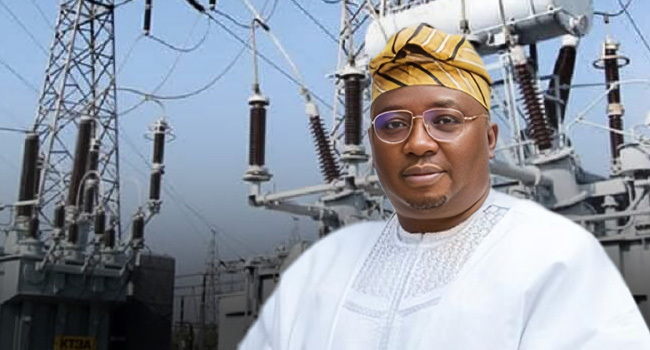
Nigeria is negotiating with China’s Export‑Import Bank for a $2 billion loan to develop a new “super grid” that would help alleviate the country’s chronic power shortages. The Minister of Power, Adebayo Adelabu, announced the plan at an economic summit in Abuja, describing it as part of a broader strategy to decentralise power generation and encourage large‑scale industrial users to reconnect to the national grid.
The proposed super grid would link Nigeria’s eastern and western regions, where many industrial consumers are concentrated, and is intended to improve transmission efficiency so that more electricity reaches industrial zones. This is critical given the national grid’s history of collapses caused by inadequate generation capacity, transmission constraints and technical faults.
The Federal Executive Council has already approved financing for the project, underscoring the government’s commitment to tackling the power sector’s challenges. In a related development, recent tariff adjustments for urban consumers have boosted industry revenues by 70 % in 2024, with a further 41 % increase projected to reach N2.4 trillion ($1.6 billion) this year.
Nigeria’s power sector has long suffered from reliability problems, prompting many industrial users to seek alternative sources of electricity. If successfully implemented, the super grid could stabilise the national grid and encourage these users to reconnect. The project’s success will depend on timely loan disbursement and effective implementation, as well as the government’s ongoing efforts to decentralise generation and improve transmission infrastructure—key steps for enhancing sector efficiency and supporting industrial growth.



Comments are closed for this story.