
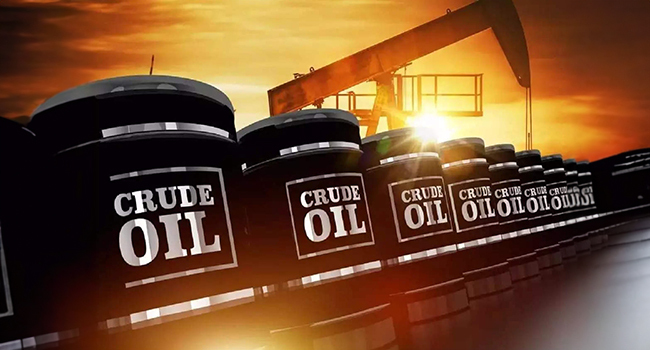
Ukraine has intensified its attacks on Russian refineries and oil infrastructure, carrying out more than 30 strikes since early August. The goal is to weaken Moscow’s ability to finance its war against its neighbor. Russia, the world’s third‑largest producer and second‑largest exporter of crude oil, depends heavily on oil and gas revenues, which accounted for about 30 percent of its 2024 budget.
The impact of Kyiv’s strikes has been significant. According to Homayoun Falakshahi, an analyst at the energy‑research group Kpler, Russian refinery output has fallen by roughly 10 percent. Rystad Energy analyst Janiv Shah notes that refinery production declined to an average of 4.9 million barrels per day by mid‑September, about 400,000 barrels per day less than in the first half of 2025. In response to the risk of shortages, Moscow has restricted petroleum‑product exports until the end of the year and extended its ban on gasoline exports.
The scarcity of Russian refined products has widened the price gap between Russian crude oil and its refined equivalents. Consequently, retail gasoline prices in Russia have risen 6.7 percent since the end of 2024, even as crude‑oil prices have fallen sharply over the same period. Damaged infrastructure is expected to take a long time to return to normal, and falling global crude prices—driven by expectations of abundant supply—are likely to further erode Russian oil revenue. SEB bank analyst Bjarne Schieldrop forecasts that the situation could worsen, with Ukraine becoming more effective at targeting refineries, potentially ending all Russian oil‑product exports and prompting domestic rationing.
International sanctions aimed at weakening Moscow have had limited effect, according to Adi Imsirovic, director of the Surrey Clean Energy consultancy. However, the withdrawal of Western oil companies has reduced investment in Russia’s energy infrastructure, limiting its capacity to increase crude output in the coming years. As the conflict continues, Ukraine’s strikes on Russian oil infrastructure are poised to have lasting repercussions for Moscow’s financial capacity and the global energy market.



Comments are closed for this story.