
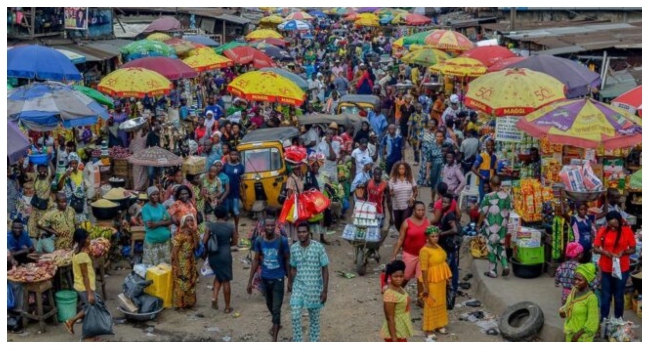
The World Bank reported that 139 million Nigerians still live in poverty despite the country’s recent economic reforms. Mathew Verghis, the World Bank’s Country Director for Nigeria, made this statement at the launch of the Nigeria Development Update report in Abuja. He acknowledged the government’s efforts to stabilize the economy through policy changes such as adjustments to the exchange rate and the removal of petrol subsidies, noting that these reforms have laid the groundwork for a shift in Nigeria’s economic trajectory.
According to Verghis, the reforms have contributed to several positive developments: modest growth, rising revenues, improving debt indicators, a stabilising foreign‑exchange market, increasing reserves, and a gradual decline in inflation. However, he warned that food inflation remains a serious concern, disproportionately affecting the poor and potentially undermining support for further reforms.
To address these challenges, Verghis emphasized the need for additional action to improve living standards. He suggested implementing a shock‑responsive safety‑net system to help households cope with crises and called for structural reforms that tackle deep‑seated supply‑ and market‑constraints, alongside tight monetary policy.
The Nigeria Development Update report assesses the country’s economic situation and offers recommendations for future development. Its findings highlight the persistent challenges Nigerians face despite governmental reform efforts. Addressing these issues will be crucial for achieving inclusive development and improving the lives of millions.
Nigeria continues to navigate its economic difficulties, working to diversify the economy and reduce dependence on oil exports. While the government’s reforms have shown promise, more must be done to combat poverty and inequality. As the World Bank report notes, sustained efforts are required to tackle the underlying economic and social issues and ensure better living standards for all Nigerians.




Comments are closed for this story.