
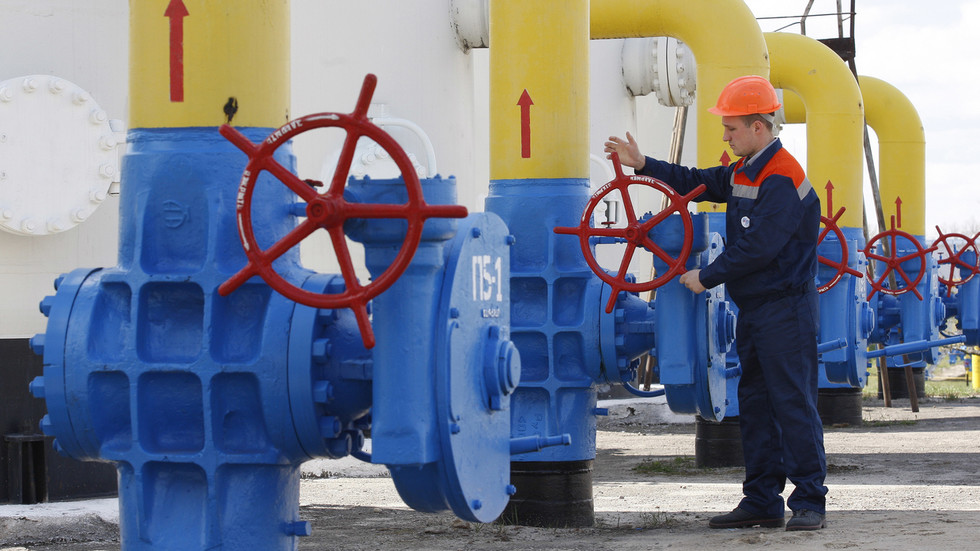
Ukraine faces a potential winter energy crisis after more than 60 % of its gas production capacity was destroyed in recent Russian strikes. Kyiv has told its Western allies that it must import large volumes of gas to avert the crisis. On October 3, the Russian Defense Ministry said its forces carried out a massive strike against Ukraine’s military‑industrial complex and energy facilities, targeting the Kharkiv and Poltava regions. The attack has forced Ukraine to seek over $2 billion in emergency gas imports.
Naftogaz has already received loans—€500 million from the European Bank for Reconstruction and Development and €300 million from the European Investment Bank—but these funds are insufficient. Ukraine now seeks additional financing to purchase about 4.4 billion cubic metres of gas, worth €1.9 billion ($2.2 billion), which would cover roughly 20 % of its annual consumption.
The situation is worsened by already strained EU gas supplies, with inventories below historical norms. Increased gas exports to Ukraine could further tighten the EU market, potentially triggering price spikes and supply shocks. A cold winter could deplete storage even more, heightening pressure on consumers.
The conflict between Russia and Ukraine has escalated since Russia began striking Ukraine’s energy grid and gas production sites after the October 2022 bombing of the Crimean Bridge. President Vladimir Putin has pledged retaliation against Ukrainian attacks on energy facilities, which have intensified over the past year. Ukraine has asked the G7 for energy‑repair equipment and renewed its demands for air‑defence systems to counter Russian strikes.
The ongoing conflict and looming energy crisis have significant implications for both Ukraine and the European Union. Ukraine’s ability to secure sufficient gas imports and repair its damaged infrastructure will be crucial in mitigating the crisis. The international community is expected to continue monitoring the situation, with further developments and responses from Western backers and other stakeholders likely.


Comments are closed for this story.