
A recent study in rural Kenya has highlighted the potential effects of climate change on mental health, especially among women in farming communities. Conducted ahead of World Mental Health Day, the research reveals a troubling rise in suicidal thoughts linked to droughts and heat waves. Surveying nearly 15,000 women, the study found that unpredictable weather patterns have intensified anxiety and stress, compounded by food scarcity and financial instability.
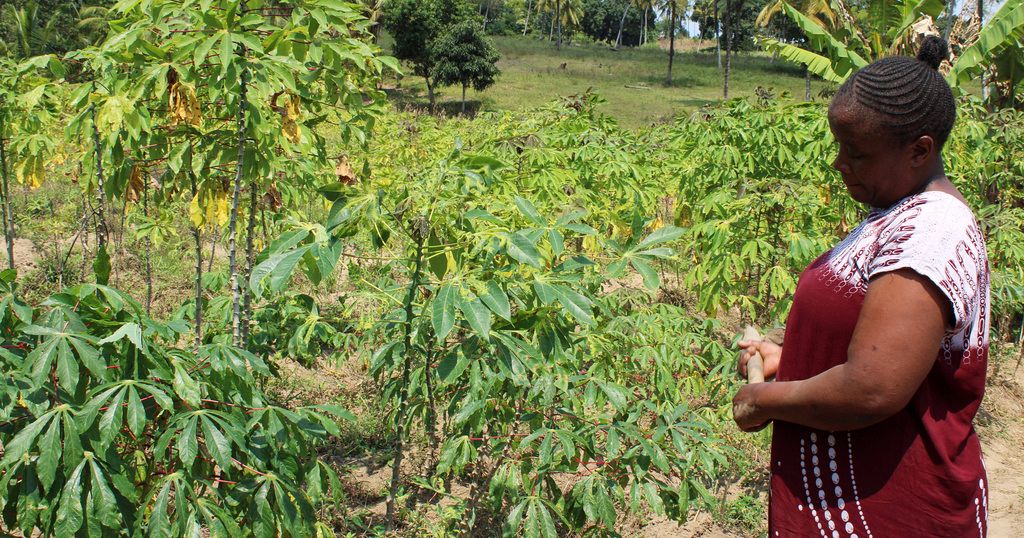
In Kaloleni, Kilifi County—one of Kenya’s poorest regions—women such as 41‑year‑old Elizabeth Amina Kadenge are struggling to adapt to the changing climate. Kadenge, a mother of three, has been forced to switch from maize to cassava because of erratic harvests, creating a significant financial burden. Community health workers collecting data on residents’ mental health have identified a clear correlation between climate‑related stressors and suicidal thoughts.
Jasmit Shah, a data scientist at Aga Khan University’s Brain and Mind Institute, led the research and emphasized the importance of understanding climate change’s impact on mental health. Shah noted that droughts and heat waves were associated with higher levels of suicidal thoughts among the women surveyed. The findings underscore the need for a multidimensional response that includes both agricultural and mental‑health support.
Zul Merali, director of the Brain and Mind Institute, stressed that climate change has far‑reaching implications, such as food insecurity and financial pressure, which disproportionately affect women. He called for resilient communities that prioritize mental well‑being in the face of long‑term climate impacts. Mercy Githara, mental health and psychosocial manager at the Kenya Red Cross, echoed this view, pointing to a rise in depression and post‑traumatic stress disorder in areas hit by droughts and floods.
The Kenyan government has responded with the Community Health Promoters program, which provides mental‑health training for community health workers. This initiative aims to deliver support at the household and individual levels and to refer those in need to qualified health professionals. As the world marks World Mental Health Day on October 10, the study’s findings remind policymakers to integrate mental health into climate‑smart solutions, ensuring that the most vulnerable communities receive the support they need to cope with a changing climate.




Comments are closed for this story.