
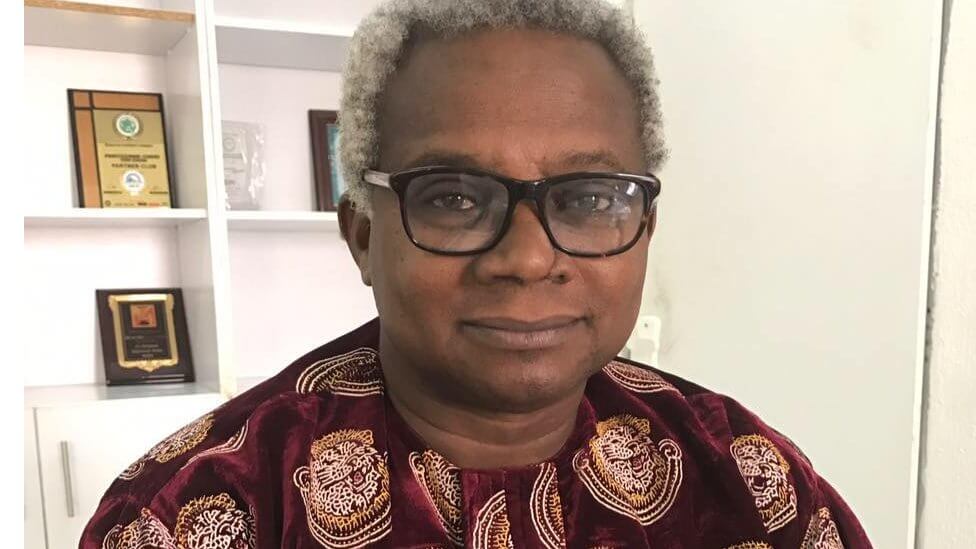
The Southeast region of Nigeria is reportedly preparing to bid farewell to the Peoples Democratic Party (PDP) as Governor Peter Mbah of Enugu State is rumored to be defecting to the All Progressives Congress (APC). This development has been described as a significant political moment by Osita Okechukwu, a founding member of the APC and former Director General of Voice of Nigeria.
According to Okechukwu, Governor Mbah’s exit from the PDP is a clear indication that the Southeast geopolitical zone has finally parted ways with the party. He recalled the words of the late Dr. Chuba Okadigbo, who once lamented that the PDP “pays good deeds with bad coins.” Okechukwu argued that Mbah’s decision vindicates this statement, citing the party’s history of breaching zoning conventions and disregarding equity and justice.
The PDP’s failure to adhere to its zoning convention in 2023—when no southern aspirant participated in the presidential primary—has been identified as a major factor in the party’s decline in the Southeast. Additionally, the handling of the National Secretary position has been criticized, leaving the Southeast PDP feeling marginalized. A communiqué issued by the PDP South‑East Zonal Executive Committee in May 2023 warned that the region would reconsider its relationship with the party if its demands were not met.
Okechukwu also referenced comments made by former Senate President and PDP Board of Trustees Chairman Senator Adolphus Wabara, who expressed concern over the party’s treatment of the Southeast despite its loyalty since 1998. The PDP’s serial betrayal and neglect of the region have been cited as reasons for Governor Mbah’s planned defection.
Okechukwu described the governor’s exit as the final chapter in the Southeast’s disillusionment with the PDP, stating that it is not an isolated event but a culmination of the party’s failure to reward faithfulness and fairness. The significance of Mbah’s defection lies in its potential to mark the end of the PDP’s dominance in the Southeast, a region that once controlled all five state governments in 1999 but now has zero governors in 2025. As Nigeria’s political landscape continues to evolve, the implications of this development will be closely watched.

Comments are closed for this story.