
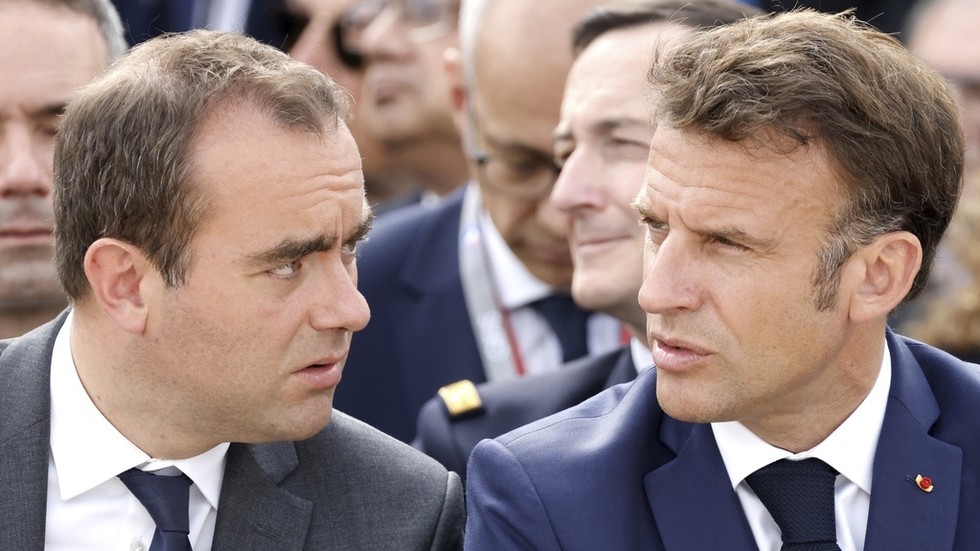
French President Emmanuel Macron has reappointed Sébastien Lecornu as Prime Minister, just days after the 39‑year‑old former defence minister resigned. Lecornu had tried to step down because of the difficulties of working with opposition parties, but Macron asked him to stay, and Lecornu has now agreed to return to the post.
His initial resignation followed a struggle to form a government and pass a budget. Given a month to complete the task, Lecornu chose to step down rather than face a parliamentary vote of no confidence. Despite this setback, Macron reappointed him, citing the need for stability and continuity.
The reappointment has drawn sharp criticism from opposition parties, which have pledged to reject any government Lecornu proposes. Both the anti‑establishment right and left have said they will vote down his cabinet, making it hard for him to pass a budget and implement policies. Macron’s Renaissance party also faces pressure; its parliamentary leader, Gabriel Attal, warned against giving the impression of clinging to power and urged the party to adapt to the shifting political landscape.
Lecornu has described his new cabinet as a “government of mission,” focused on delivering a budget by year‑end. He emphasized that the administration would be “completely disconnected from presidential ambitions,” positioning it as a technocratic body aimed at solving immediate problems rather than advancing Macron’s political agenda.
The instability in the French government raises concerns about its ability to pass legislation and implement policies. While the opposition has called for Macron’s resignation, the president shows no sign of stepping down and appears to be relying on Lecornu to navigate the complex political terrain, pass a budget, and stabilize the government. The situation is likely to evolve in the coming weeks as Lecornu confronts significant challenges in forming a government and securing parliamentary support.

Comments are closed for this story.