
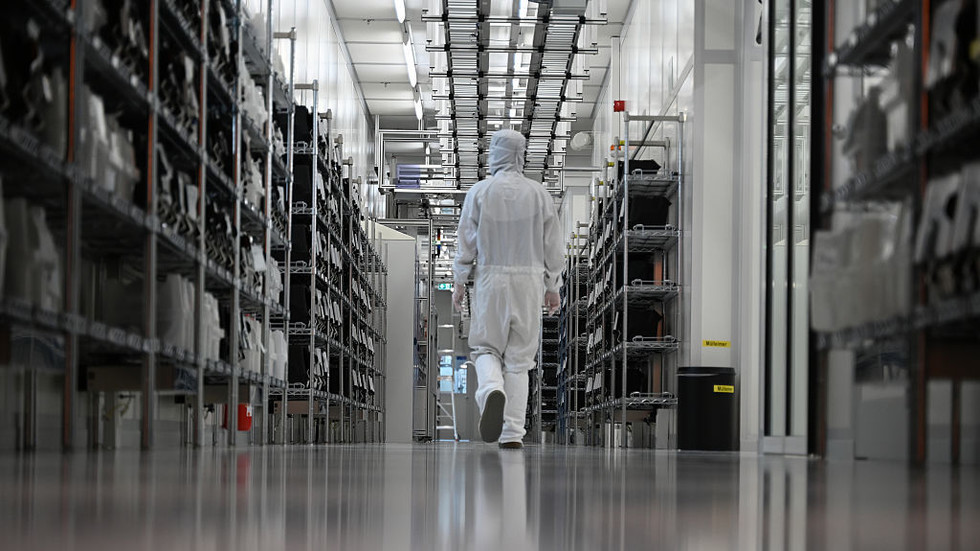
The Netherlands has taken control of Nexperia, a Chinese‑owned chipmaker, citing concerns over the European Union’s economic and technological security. The Dutch government invoked an emergency law to seize the company, which specializes in chips for the automotive and consumer‑electronics industries. Nexperia, formerly part of the Dutch electronics group Philips, is now owned by China’s Wingtech Technology.
The Dutch Economy Ministry said the intervention was necessary to prevent a situation in which Nexperia’s chips could become unavailable in an emergency, posing a risk to Dutch and European economic security. Describing the move as “highly exceptional,” the government also pointed to recent signals of governance shortcomings within the firm.
Wingtech Technology denounced the Dutch action as “excessive intervention driven by geopolitical bias” rather than a fact‑based risk assessment. It announced that it would take steps to protect its rights and seek government support. Following the order, Wingtech’s control over Nexperia will be temporarily restricted, affecting decision‑making and operational efficiency.
The takeover occurs amid escalating global trade tensions between China and the EU. The EU has accused China of dumping certain key goods and overproducing industrial products, while China has countered with accusations of protectionism. Recently, China tightened restrictions on the export of rare‑earth elements and magnets, a move that could further impact the EU’s struggling auto industry.
The Dutch decision highlights growing concerns over economic and technological security in the face of rising trade frictions. As the situation develops, it remains to be seen how the seizure will affect Nexperia’s operations and broader China‑EU trade relations. The incident is likely to have significant implications for the global semiconductor industry and may intensify tensions between major trading nations.



Comments are closed for this story.