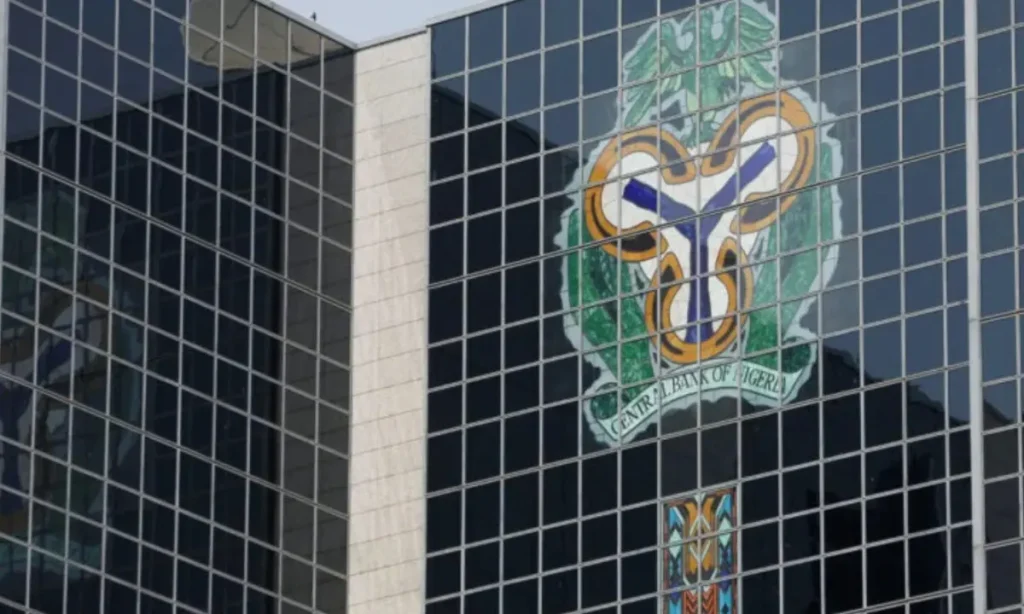
The Central Bank of Nigeria says the gap between the official and parallel foreign exchange markets has narrowed to below two percent, signalling continued strengthening of the naira against the dollar.
CBN Governor Olayemi Cardoso disclosed the development at an event in Gombe, where he was represented by the apex bank’s acting spokesperson, Hakama Sidi-Ali. “The naira continues to strengthen, with the spread between official and Bureau de Change rates now below two per cent,” Cardoso said, according to the News Agency of Nigeria.
The governor attributed the gains to reforms in the foreign exchange sector, which he said had led to a steady increase in the country’s external reserves. CBN data puts the reserves at $51.94 billion.
Market data tracked by Media Talk Africa shows the naira appreciated at the official window, closing at N1,362.55 to the dollar, while the parallel market rate stood at N1,425 to the dollar on Wednesday.
The narrowing spread marks a significant shift from earlier in the year when the gap between official and parallel rates widened sharply, fuelling speculation and arbitrage. Analysts say the convergence reflects improved liquidity in the official market following the unification of exchange rate windows and tighter monetary policy.
The CBN has maintained a restrictive stance, raising the monetary policy rate repeatedly to curb inflation and support the currency. Officials say increased foreign exchange inflows from crude oil sales, remittances, and portfolio investments have helped rebuild buffers.
Market participants note that sustained convergence will depend on consistent supply-side interventions and transparency in the allocation process. The central bank has pledged to continue clearing valid foreign exchange backlogs and to deepen the electronic matching system for greater price discovery.
With the spread now within the IMF’s recommended threshold of two percent, the development could bolster investor confidence and support Nigeria’s ongoing negotiations with international financial institutions. The next monetary policy committee meeting will be closely watched for signals on the policy direction.