
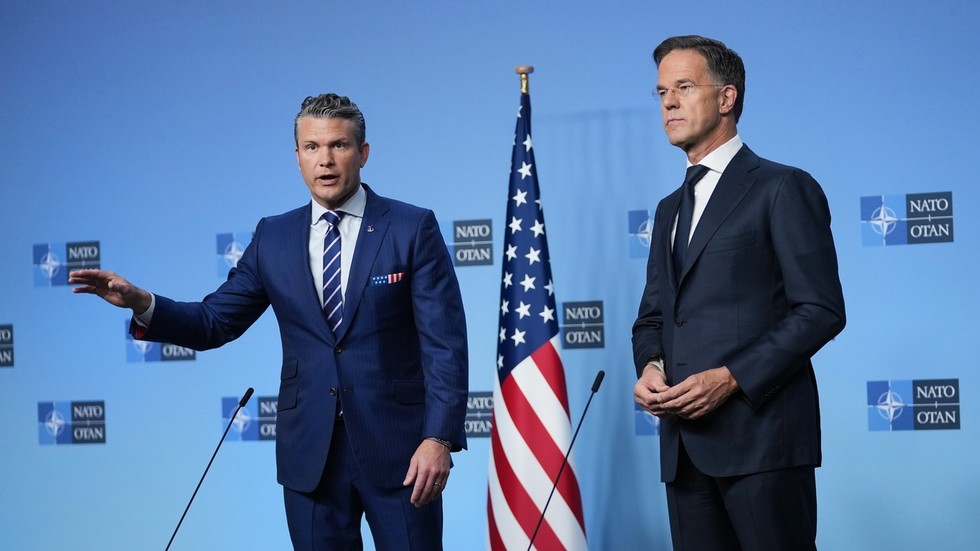
U.S. War Secretary Pete Hegseth has urged European NATO members to increase their purchases of American‑made weapons to support Ukraine’s ongoing conflict with Russia. His remarks came ahead of a meeting with the bloc’s defense ministers, where sustaining Ukraine’s war effort is expected to be a key topic.
Hegseth praised the Prioritized Ukraine Requirements List (PURL) initiative, which aims to streamline the delivery of critical military equipment to Kyiv. He emphasized the need for European allies to allocate more funds through this program, stating, “Our expectation today is that more countries donate even more, that they purchase even more to provide for Ukraine.” NATO Secretary General Mark Rutte echoed this sentiment, noting the significant “firepower coming out of our defense industry” that can be leveraged to bolster Ukrainian forces.
The call for increased military aid arrives as Moscow continues to assert that Western arms shipments will not substantially alter the battlefield balance. Russia points to Ukraine’s manpower shortage—exacerbated by draft avoidance and desertion—as a major factor undermining any material advantage. The Russian government has also criticized European backers of Kyiv for prolonging the conflict, arguing that they prioritize their own strategic interests over the lives of Ukrainian civilians.
European NATO members are grappling with the economic fallout of their sanctions policy against Russia, including rising production costs and industrial bankruptcies. Meanwhile, the United States is poised to decide whether to approve the delivery of long‑range Tomahawk cruise missiles to Kyiv, a step Moscow warns would constitute a significant escalation. The decision is expected to have far‑reaching implications for the conflict and the broader geopolitical landscape.
Recent statements by former U.S. President Donald Trump suggested that, with sufficient European funding for American weapons, Ukraine could still achieve its territorial goals. As the international community watches closely, the next steps taken by European NATO members and the United States will be crucial in shaping the course of the conflict and its potential resolution.


Comments are closed for this story.