
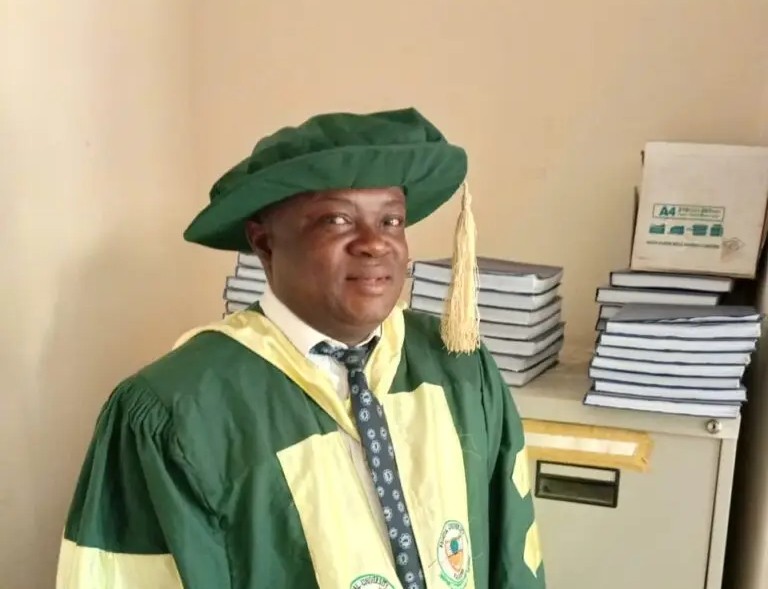
Dr. Mark Nyitse, a senior lecturer at Federal University Kashere in Gombe State, has urged President Bola Tinubu to engage directly with the Academic Staff Union of Universities (ASUU) to resolve the ongoing issues permanently. In an interview with the News Agency of Nigeria, Nyitse, who teaches in the Education Faculty, suggested that President Tinubu’s personal involvement could lead to a lasting solution.
Nyitse praised President Tinubu’s ability to address the nation’s challenges through impactful reforms, citing his fearless approach to tackling long-standing problems such as the fuel subsidy removal. He emphasized the importance of resolving the issues in the education sector, stating that a sound education system is crucial for building a strong economy.
The lecturer drew a historical parallel, referencing former President Yakubu Gowon’s efforts to address the nursing profession’s challenges. Nyitse noted that despite the 2009 agreement, little progress has been made, with only temporary measures implemented. He described ASUU as a patient union representing intellectuals from various backgrounds, including those in positions of power.
Nyitse highlighted the financial challenges faced by lecturers, who must invest in their research and publications to advance their careers. He explained that promoting one’s work in reputable journals requires significant expenditure, which can be discouraging given the relatively low earnings of lecturers. The union’s efforts to publish research in recognized journals, undergo peer review, and contribute to community involvement all require financial investment.
President Tinubu’s direct engagement with ASUU could potentially lead to a breakthrough in the ongoing disputes. By addressing the underlying issues, the government can work towards creating a more stable and supportive environment for the education sector. As the situation continues to unfold, it remains to be seen how the President will approach the challenges facing the academic community. The resolution of these issues is crucial for the development of the country’s education system and, by extension, its economy.