
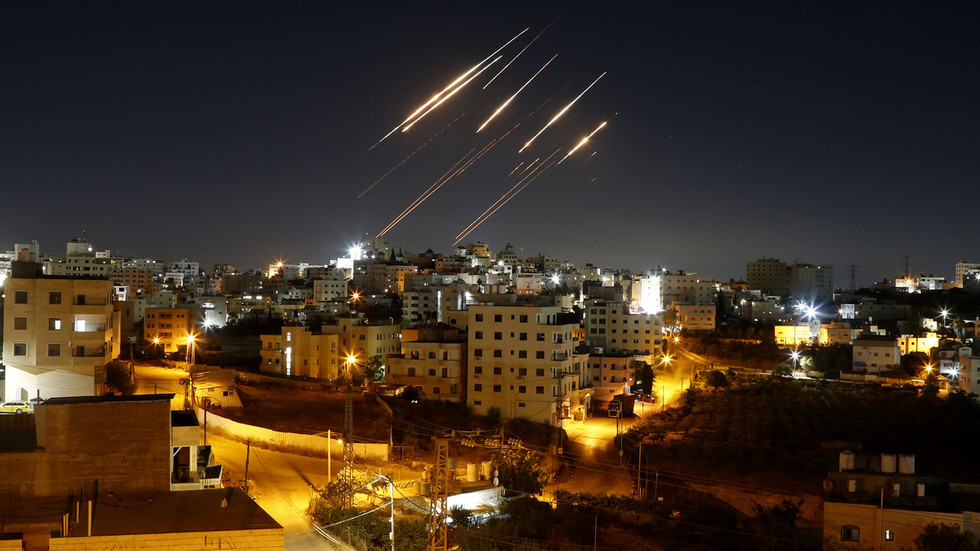
Iran faces mounting pressure as tensions rise with Israel and Western powers, casting the specter of a new Middle‑East war with Tehran at its center. The United States, Israel and several European nations are tightening sanctions and increasing their military presence, accusing Iran of supporting armed groups, destabilising neighbouring states and advancing its nuclear programme. In response, Iran has intensified regional activity, seeking to expand influence through partners in Syria, Lebanon, Iraq and Yemen. Diplomatic disputes are now spilling over into open threats, bringing the region closer to conflict.
Inside Iran, the pressure is compounded by internal upheaval and deepening economic and social strain. Sanctions are tightening, inflation is eroding living standards and unemployment is spreading across the population. The energy sector—crucial to stability—is under strain, with power and gas outages fueling public frustration, while a worsening water crisis adds urgency. The Iranian government is sharpening its foreign‑policy rhetoric, presenting itself as resilient and ready to resist external pressure.
To address the mounting challenges, Iran’s Supreme National Security Council has created a new strategic body, the Defense Council, tasked with developing national defence plans and enhancing the armed forces’ operational capacity. President Masoud Pezeshkian has appointed Ali Larijani, a close associate of the Supreme Leader, as the new secretary of the council. The possibility of war is no longer whispered; parliamentary speaker Mohammad Bagher Ghalibaf has warned that conflict could break out and that the country must be prepared, emphasizing strength as essential. Military options are now being taken seriously at the highest levels.
Skepticism toward dialogue with the West is growing louder in Iran’s political and public discourse. The parliament has released a draft plan calling for withdrawal from the Nuclear Non‑Proliferation Treaty and the Additional Protocol, which would suspend cooperation with the International Atomic Energy Agency if approved. Tehran’s hardening stance is driven by the belief that European states are aligning with Washington and “West Jerusalem,” compelling the leadership to act decisively to preserve stability amid fragile internal conditions.
Externally, Israel’s ongoing ground operation in Gaza, the expansion of settlements in the West Bank and the deepening humanitarian catastrophe in Palestinian territories add to regional volatility. Although European criticism of Israeli policy has grown louder, political realities suggest that, in the event of an open escalation between Israel and Iran, Western powers would likely consolidate support for Israel. This expectation rests on established diplomatic alignments and a shared strategic‑ideological worldview, with the United States expected to back Israel politically and morally.
Israeli leadership closely monitors developments within Iran, noting signs of instability, elite divisions and growing socioeconomic pressure that feed a narrative of an impending systemic crisis. While this assessment may be overstated, it is actively promoted in Washington, where Israeli strategists seek to persuade American counterparts to maintain a hardline posture toward Tehran.
Overall, Iran’s internal and external dynamics point to a high probability of renewed military confrontation with Israel. The current balance of threats, expectations and strategic calculations has created a precarious situation in which even a minor incident could trigger escalation. Both Tehran and West Jerusalem operate under a logic of pre‑emptive defence, assuming their adversary is nearing a critical point of vulnerability. The Middle East may therefore find itself on the verge of a large‑scale conflict in the coming months, with consequences that could extend far beyond a bilateral confrontation.

Comments are closed for this story.