
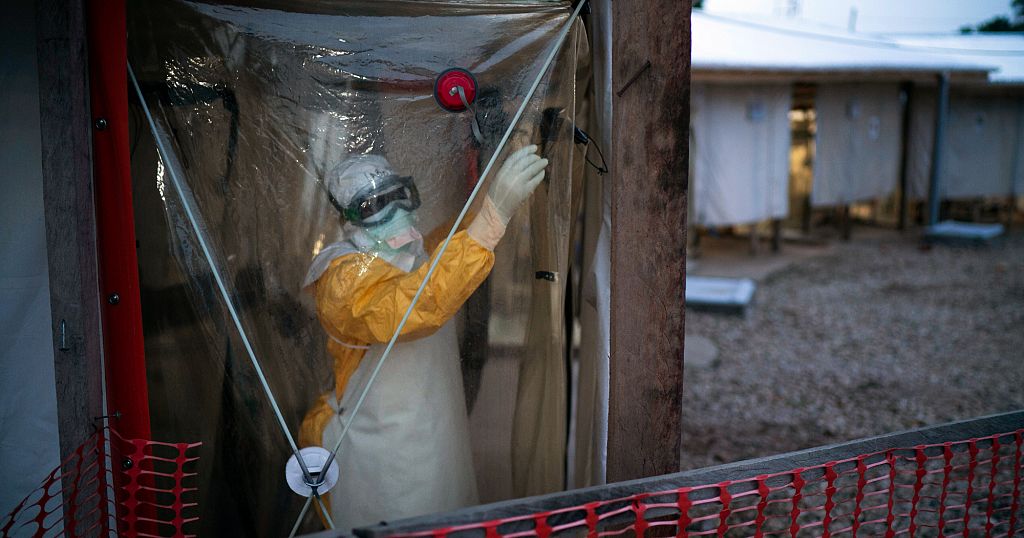
The Democratic Republic of the Congo has reached a significant milestone in its fight against Ebola: the last patient being treated for the disease has been discharged from hospital. This development initiates a 42‑day countdown to declaring the outbreak over, provided no new cases are confirmed.
The outbreak, declared in early September, has resulted in 53 confirmed and 11 suspected infections, with 19 people recovering. The final reported case occurred on September 25, and no new infections have been detected since then. The outbreak is confined to the Bulape health district of Kauai province, a remote area with limited infrastructure.
In response, the Ministry of Health and the World Health Organization quickly established a 32‑bed treatment center in the affected region. Approximately 35,000 people in Bulape have also been vaccinated against Ebola, a crucial step in preventing further spread. The WHO and its partners continue to work closely with the government to maintain rapid detection and response capabilities for any potential cases.
If no new cases emerge, the outbreak is expected to be declared over in early December 2025. Ebola is a rare but severe viral infection named after the Ebola River in the Democratic Republic of the Congo. Prompt and effective responses are essential to contain its spread, and this outbreak has underscored the importance of collaboration between health authorities and international partners.
As the country moves toward the end of the outbreak, vigilance must be maintained and necessary measures upheld to prevent future incidents. The progress achieved so far demonstrates the effectiveness of coordinated efforts in combating the disease, and continued action is vital to safeguard the health and well‑being of the affected communities.




Comments are closed for this story.