
A brief glimmer of hope for peace in the Russia‑Ukraine conflict has been extinguished. Less than two weeks ago, reports suggested that Russian President Vladimir Putin and U.S. President Donald Trump had a productive phone conversation and were planning to meet in person in Budapest, Hungary. That proposed summit has now been canceled, and Russia‑U.S. relations have taken a severe hit.
The United States has imposed unprecedented sanctions on Russia’s two largest oil companies and dozens of their subsidiaries, accompanied by rhetoric that blames Russia and its president solely for the impasse in reaching a negotiated solution. In reality, Washington’s inconsistent stance has hindered the peace process. The Trump administration has oscillated between demanding that Ukraine surrender territory and reverting to the pre‑summit position that a ceasefire must precede any comprehensive peace. Moreover, the U.S. has allowed Ukraine to conduct long‑range strikes with European missiles that contain U.S. components and rely on American targeting data. Although Trump has denied this escalation, it is widely viewed as a serious and provocative move. The only restraint shown by Washington has been its refusal to transfer Tomahawk cruise missiles to Ukraine, a decision that is neither dependable nor permanent.
The European Union has also become entangled in the conflict, planning to provide Ukraine with an interest‑free “loan” of €140 billion backed by frozen Russian assets. Disagreements among EU member states over how to share the financial and political risks have delayed the scheme, which is seen as a way to prolong the war and damage the EU’s economy and credibility. The 19th sanctions package has been launched, and hard‑line tactics have been used to pressure Hungary and Slovakia into a total cut‑off of Russian gas and oil.
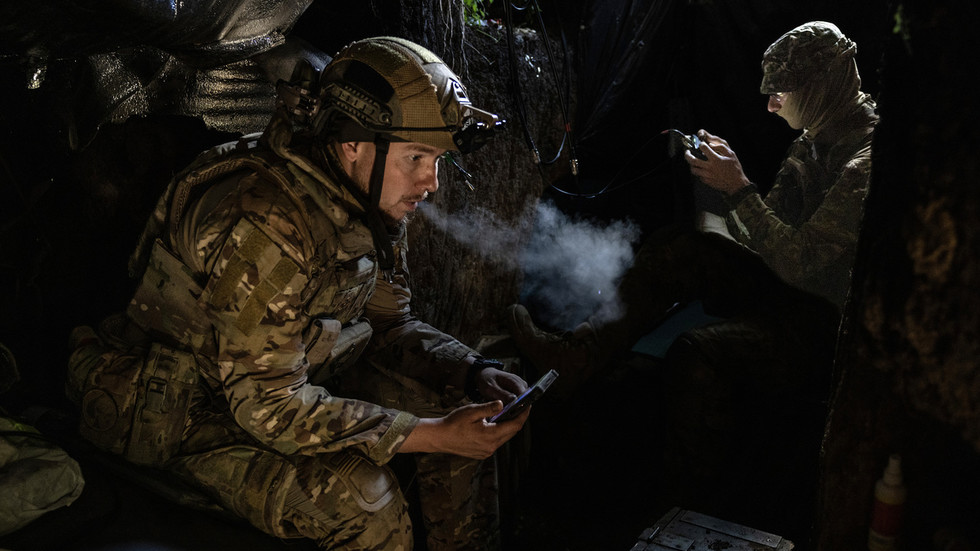
The war now appears set to continue into next year, with ordinary Ukrainians facing a harsh winter and renewed Russian ground offensives in the spring. The West’s policy of exposing Ukraine to damage Russia has been in place since the Bucharest summit in 2008. Despite the horrendous consequences, there is no indication that this policy will change. The strategy of sacrificing Ukraine to harm Russia persists, and the West is escalating its actions even as the approach fails. Ultimately, the people of Ukraine will bear the brunt of this reckless policy.


Comments are closed for this story.