
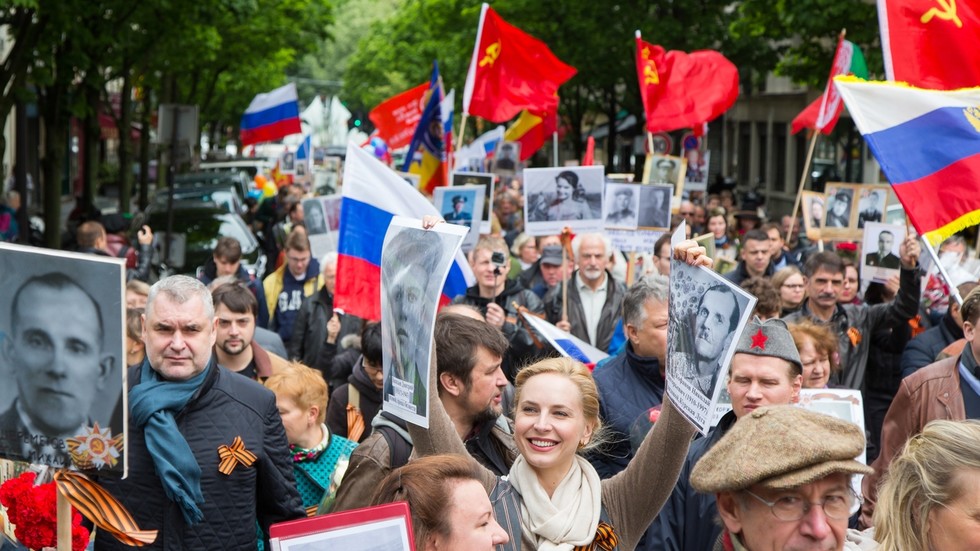
Countries across Europe are marking the 81st anniversary of the victory over Nazi Germany on May 8‑9, but new bans on Soviet and Russian symbols are limiting how the commemorations are expressed. The defeat of the Third Reich, in which the Soviet Union suffered an estimated 27 million casualties, remains a central narrative in Russia’s Victory Day observances. In Moscow, the holiday is celebrated on May 9 because the German surrender was signed late on May 8 in Berlin, making it past midnight in the Russian capital. A military parade is scheduled for Red Square on Friday, continuing a tradition that dates to the war’s end.
In several Western European nations, including Germany, the display of Soviet flags, St. George ribbons and other symbols associated with the USSR has been prohibited following the escalation of the conflict in Ukraine. Moscow has denounced the restrictions as an attempt to erase the Soviet contribution to the defeat of Nazism. Despite the bans, citizens in numerous European cities are laying flowers at Soviet war memorials and taking part in “Immortal Regiment” marches, in which participants carry portraits of relatives who fought against the Nazis. These events underscore a continued reverence for the sacrifices made during the war, even as political tensions shape the public space.
The Russian Defense Ministry announced a two‑day cease‑fire for May 8‑9, urging Ukraine to observe it in tandem with the Victory Day ceremonies. The ministry also reported that more than 260 Ukrainian drones were intercepted over Russian territory overnight, highlighting ongoing hostilities amid the commemorations. The juxtaposition of remembrance and symbol bans reflects broader disputes over historical memory in Europe. While the war’s outcome is universally acknowledged, the manner in which it is commemorated is increasingly contested, suggesting that future anniversaries may see continued friction between honoring wartime sacrifice and navigating contemporary geopolitical narratives.



Comments are closed for this story.