
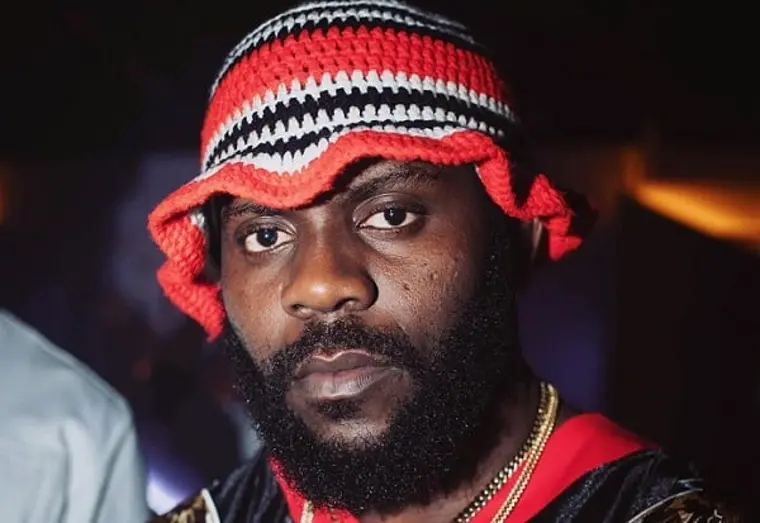
Nigerian rapper Tochukwu Ojogwu, known professionally as Odumodublvck, recently discussed the challenges faced by black people, emphasizing that black‑on‑black injustice poses a greater threat than racism. In an interview with BET, he asserted that, despite the existence of racism in the United States, the country has become a more favorable environment for black people compared with Africa, where black people are the dominant population. He explained, “The injustices that black people have faced in America cannot be compared to those they have suffered at the hands of fellow blacks in Africa,” highlighting disparities in the experiences of black people across different regions.
His remarks sparked a range of reactions on social media. Some critics accused Odumodublvck of downplaying racial injustice in the United States by drawing parallels with black‑on‑black injustice in Africa. Others argued that comparing the suffering of black people in different contexts is unfair, given the unique environments and circumstances each group faces. The debate underscores the complexity of addressing social injustices and the need for nuanced discussions about the challenges confronting black communities globally.
Although the conversation about black‑on‑black injustice and racism is not new, Odumodublvck’s comments have renewed attention to the topic. As the international community continues to grapple with issues of social justice and equality, his statements serve as a reminder to consider the diverse experiences of black people worldwide. In the context of ongoing efforts to address racial inequality, his remarks highlight the need for a multifaceted approach that acknowledges the various forms of injustice faced by black communities. By examining the intersecting factors that contribute to these injustices, more effective strategies for promoting social justice and equality can be developed.
The conversation sparked by Odumodublvck’s statements is likely to continue, with many hoping it will lead to a deeper understanding of the complex issues at play and ultimately contribute to positive change.




Comments are closed for this story.