
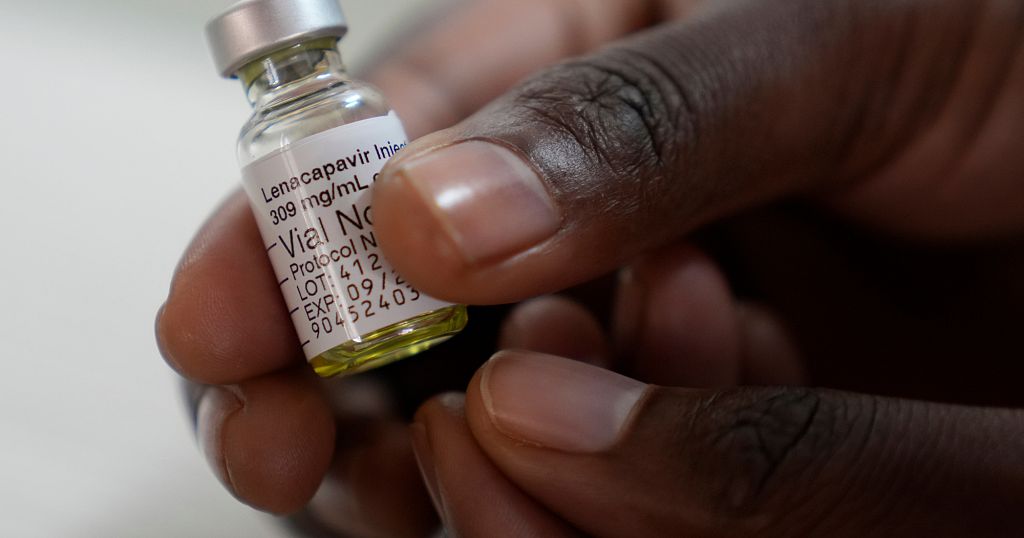
South Africa has become the first African nation to register the twice‑yearly HIV‑prevention injection lenacapavir (LEN), making it only the third country worldwide to do so. Health experts say that, if enough people receive the LEN injection, HIV/AIDS could be eradicated in South Africa within 14 to 18 years. The South African Health Products Regulatory Authority (Sahpra) granted rapid approval for the jab, allowing the health department to begin offering it to citizens as early as February next year.
The initial rollout will be funded by a $29.2 million grant from the Global Fund to fight HIV, TB and malaria. This amount will cover 456,360 doses over two years—far short of the one to two million doses per year needed to meet the country’s 18‑year goal of ending AIDS. South Africa faces a high HIV burden, with roughly eight million people living with the virus and about 1,000 adolescent girls and young women newly infected each week.
Lenacapavir provides near‑complete protection for HIV‑negative individuals weighing 35 kg or more against sexual transmission of the virus. Early data also suggest the jab is safe for pregnant and breastfeeding women, who are at heightened risk of infection. Sahpra stresses that lenacapavir should always be used alongside safer‑sex practices, such as condom use, to reduce the risk of other sexually transmitted infections.
Sahpra CEO Boitumelo Semete‑Makokotlela called the registration a “game‑changer” given South Africa’s high HIV prevalence. Health Minister Aaron Motsoaledi announced plans to incorporate lenacapavir into domestic financing mechanisms. Manufacturers, including Gilead and six other pharmaceutical companies, will produce the jab at $40 per person per year—a dramatic drop from the initial price of $28,000. The government is also pursuing local manufacturing through partnerships with the Gates Foundation and pharmaceutical firms to produce generic versions of the injection.



Comments are closed for this story.