
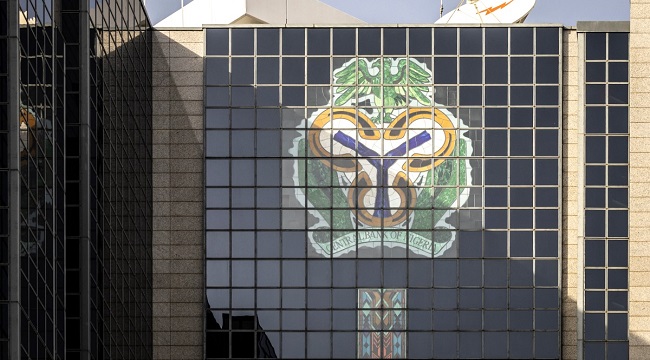
Nigeria’s economic hardship stems from the country’s failure to remove fuel subsidies over a decade ago, according to former Central Bank of Nigeria Governor and Emir of Kano, Sanusi Lamido Sanusi. Speaking at the Oxford Global Think Tank Leadership Conference, Sanusi said the administration of former President Goodluck Jonathan had the opportunity to end the subsidy in 2011, which would have averted the current severe inflation and economic distress.
Sanusi, who served as CBN Governor from 2009 to 2014, explained that the Central Bank had assessed the likely impact of removing the fuel subsidy and concluded that inflation would not have exceeded 30 percent if the policy had been implemented earlier. He noted that the decision to compromise on the subsidy was influenced by security concerns during the Boko Haram insurgency, which sparked thousands of Nigerians to protest on the streets. Nevertheless, the former CBN governor praised Jonathan’s determination to implement the reform, despite the compromise made to save Nigerian lives.
Sanusi’s comments follow President Bola Tinubu’s announcement, in his inaugural address on May 29 2023, that Nigeria would end its decades‑old fuel subsidy as part of a bold economic reform agenda. The subsidy, introduced in the 1970s to keep fuel affordable, has since led to sharp increases in petrol prices, transportation costs, and food prices, deepening the cost‑of‑living crisis. Critics argue that the policy has intensified economic hardship, while supporters contend it was a necessary step toward restoring fiscal balance and achieving long‑term growth.
Sanusi’s statement underscores the significance of the fuel‑subsidy removal and its impact on Nigeria’s economy. The country’s experience serves as a lesson in the importance of timely economic reforms and the potential consequences of delaying such decisions. As Nigeria continues to navigate its economic challenges, ending the fuel subsidy remains a crucial step toward achieving stability and growth.


Comments are closed for this story.