
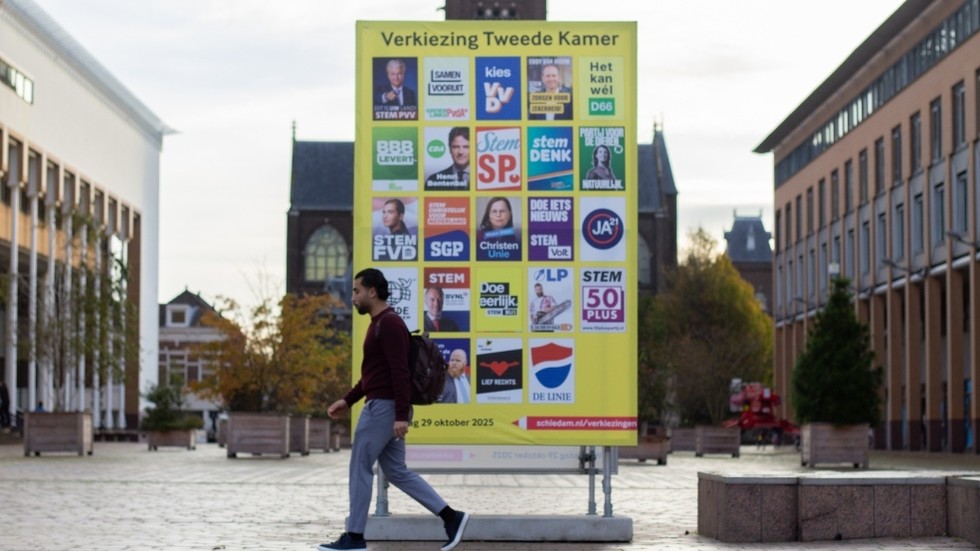
The Dutch general election has produced a tight race between the liberal Democrats 66 (D66) party and the right‑wing Party for Freedom (PVV), with both parties receiving 16.7 % of the vote according to the official tally, which counted 98.6 % of ballots. Voter turnout stood at 78.4 %, and each party is projected to secure 26 seats in the 150‑seat House of Representatives.
The PVV, led by Geert Wilders, was expected to perform well because of its anti‑immigration stance, a dominant issue in the campaign. Wilders’ 10‑point proposal to crack down on immigration—calling for the rejection of all asylum seekers and the deployment of the army to patrol the borders—sparked controversy. Although exit polls suggested a slight lead for D66, Wilders vowed to “fight more than ever” after the results were announced.
D66 leader Rob Jetten thanked his supporters and expressed a desire to work for all Dutch people. He suggested that forming a coalition with the centre‑right VVD party, the green‑leftist alliance GL‑PVDA, and the Christian Democrats would be a “logical option.” The election campaign had been marked by debates over immigration, the housing crisis, and relatively high unemployment rates. The Netherlands has seen several anti‑migrant protests in recent years, including a September demonstration in The Hague that led to clashes with police, and the use of hotels to house asylum seekers has been particularly contentious.
With the results indicating a divided parliament, coalition talks are expected to be complex and potentially prolonged. As parties begin negotiations, the focus will be on finding common ground and forming a stable government. The outcome will have significant implications for the Netherlands’ policies on immigration, housing, and the economy, and the international community will be watching closely as the country navigates this critical period in its political history.

Comments are closed for this story.