
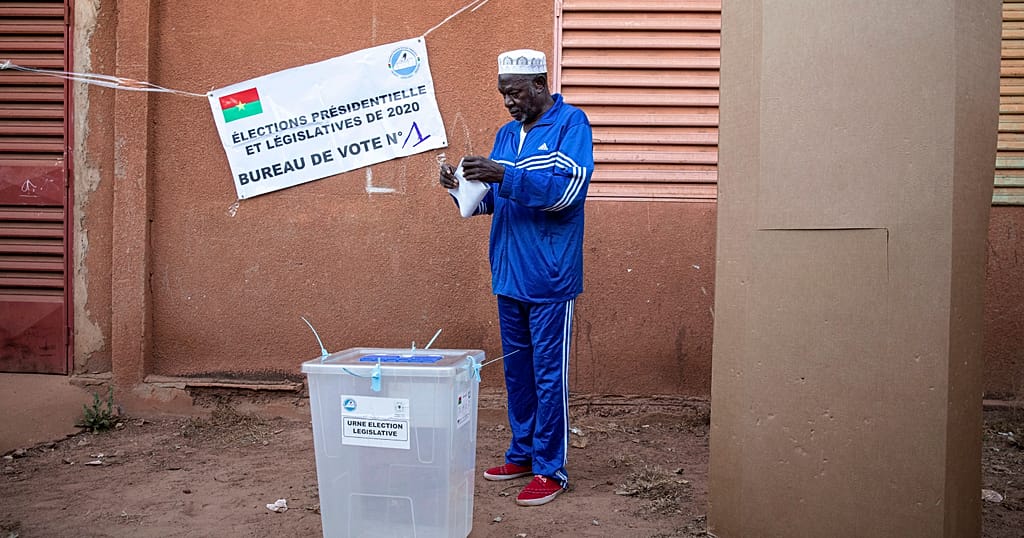
Burkina Faso’s Transitional Legislative Assembly has approved the dissolution of the Independent National Electoral Commission, a body that has existed for more than two decades. The move formalises a bill adopted in July by the military rulers led by Captain Ibrahim Traoré, who described the commission as ineffective and vulnerable to foreign influence. Dissolving the commission is part of a broader effort by the junta to consolidate power and reshape the country’s electoral landscape.
Under the new law, the Ministry of Territorial Administration will take over the organisation of elections, a role previously performed by the Independent National Electoral Commission. This shift has significant implications for the democratic process and for upcoming elections.
The military junta, which seized power in September 2022, initially promised to restore civilian rule within 21 months. However, in May last year it extended the transition period by five years and announced that Captain Traoré would be eligible to run in the next presidential election. These actions have raised concerns about the junta’s commitment to democratic principles and the prospect of a prolonged military rule.
In foreign policy, the military government has sought to reduce ties with Western countries, including former colonial power France, and has instead forged a closer strategic and economic partnership with Russia. This shift affects Burkina Faso’s relationships with international partners and its position in the global community.
The dissolution of the electoral commission and the extension of the transition period are key developments in Burkina Faso’s ongoing political crisis. As the country navigates this period of uncertainty, the international community will be closely watching the junta’s actions and their impact on democratic institutions and processes. The next steps will be crucial in determining the future of Burkina Faso’s democratic development and regional stability.



Comments are closed for this story.