
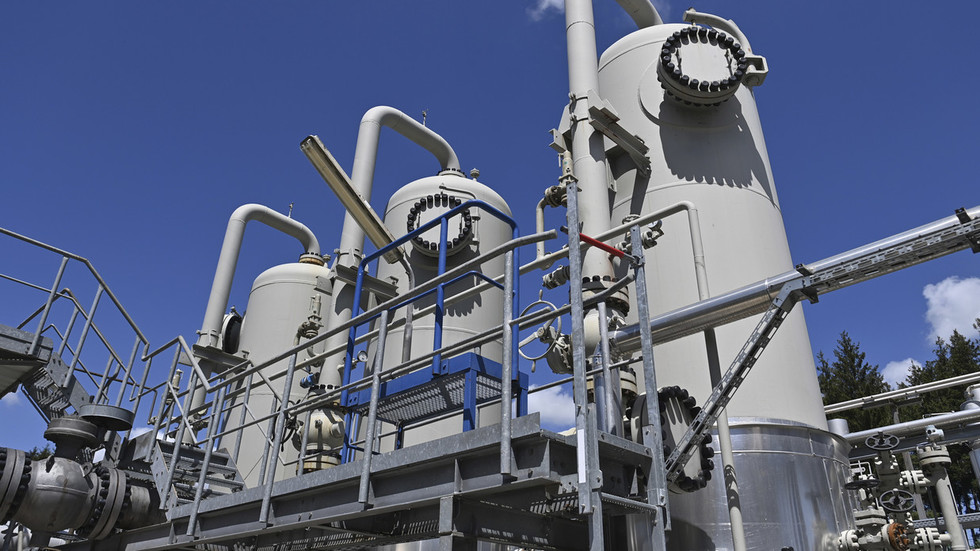
The European Union’s plan to phase out Russian energy imports by 2027 could have severe consequences for its citizens, warns Leonid Mikhelson, chairman of Russian energy giant Novatek. He argues that excluding Russian suppliers from the global gas market would trigger an unprecedented price hike, with European consumers bearing the brunt. Russia controls about 10 % of the global liquefied natural gas (LNG) market, making it a significant player in the sector.
Mikhelson likens the potential fallout to the 2021 crisis, when a post‑pandemic surge in demand pushed prices above $1,200 per 1,000 cubic metres. He notes that if the EU imposes a complete ban on Russian gas, Moscow will simply redirect its exports to other regions. Despite criticism from several member states, including Hungary and Slovakia, the EU has reaffirmed its goal to end Russian imports by 2027. In the first quarter of 2025, the bloc imported €5.8 billion ($6.7 billion) worth of Russian energy, mostly natural gas, and, according to the Helsinki‑based Center for Research on Energy and Clean Air (CREA), the EU was the largest buyer of Russian LNG last month.
The EU’s sweeping sanctions on Russia in response to the Ukraine conflict have already driven a sharp rise in energy costs for member states. In Germany, gas prices have risen 74 % since 2021, and a family of four now pays roughly €6,000 ($7,000) more for electricity and gas since 2022 than they would have if prices and supplies had remained stable. The potential consequences of the EU’s plan to phase out Russian energy imports are significant, and it remains to be seen how the situation will unfold.
As the EU continues to navigate its energy policy, it must weigh the impact on its citizens and the global energy market. Reducing reliance on Russian energy is part of a broader effort to increase energy security and lower the carbon footprint, but this objective must be balanced against the possible economic and social costs.

Comments are closed for this story.