
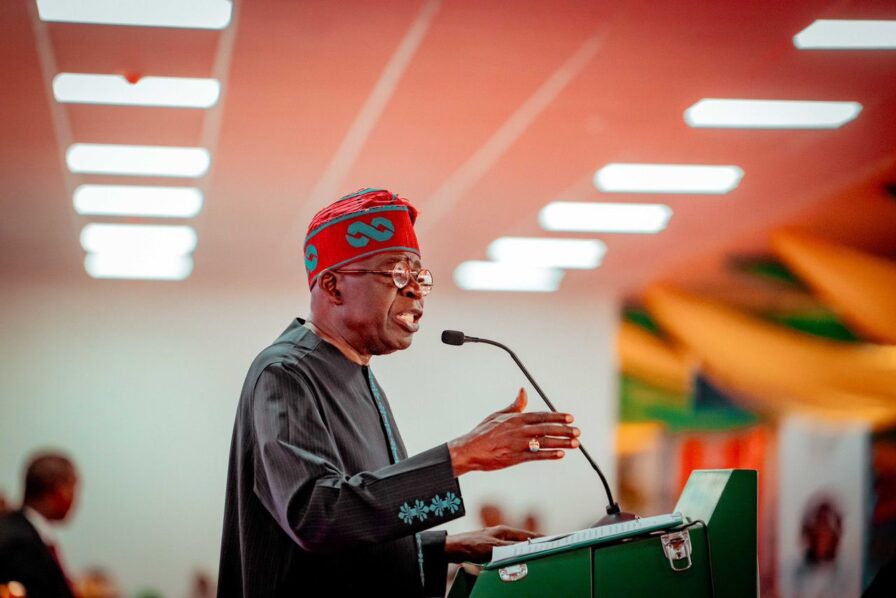
The Muslim Rights Concern (MURIC) has accused the Christian Association of Nigeria (CAN) of betraying President Bola Ahmed Tinubu’s trust, despite his attempts to promote religious inclusivity in federal appointments. MURIC’s founder and executive director, Professor Ishaq Akintola, said the United States’ decision to redesignate Nigeria as a “Country of Particular Concern” (CPC) – citing alleged genocide against Christians – is “misplaced and distorted” and misrepresents the situation on the ground.
According to MURIC, the country’s negative image abroad stems from certain Christian leaders who have petitioned the U.S. government about religious killings in Nigeria. The group argues that these leaders have amplified claims of Christian persecution rather than correcting what they call a “false and misleading narrative.” MURIC expressed disappointment in CAN’s response, expecting the influential Christian body to act more responsibly.
MURIC noted that President Tinubu has shown goodwill toward Christians through key appointments, with over 60 percent of federal posts reportedly going to Christians. The organization described CAN’s actions as a “stab in the back,” given the president’s efforts to foster religious inclusivity. It also accused the petitioners of disloyalty to the president and the nation, calling their behavior “the mother of all betrayals.” While acknowledging that the United States may have its own political motives, MURIC said some Nigerians are responsible for feeding misleading information to American authorities.
Professor Akintola emphasized that President Tinubu does not deserve such treatment, given his work to promote religious harmony. The U.S. redesignation of Nigeria as a CPC carries significant implications for the country’s international relations and human‑rights record. The Nigerian government has vehemently denied allegations of Christian genocide, and MURIC’s criticism of CAN highlights the complexities of religious politics in Nigeria. As the situation unfolds, it remains to be seen how the government and religious leaders will respond to the U.S. decision and work toward greater religious harmony and inclusivity.

![Troops, terrorists exchange gunfire in Kogi [VIDEO]](https://mediatalkafrica.com/wp-content/uploads/2026/01/Terrorists-Exchange-Gunfire-With-Nigerian-Troops-In-Kogi-State-768x576.jpeg)

Comments are closed for this story.