
The Nigerian Labour Congress (NLC) has cautioned against the government’s newly approved 15 percent import tariff on petrol and diesel, warning that the policy could have unintended consequences if it leads to price manipulation or consumer exploitation. Spokesperson Benson Upah acknowledged that the tariff could encourage local refining and reduce Nigeria’s dependence on imported fuel, but stressed that it must not be used to shield certain players from competition or facilitate artificial price hikes.
Upah noted that the tariff could be beneficial only if local capacity can meet demand without distortions; otherwise, it could drive higher fuel prices through supply manipulation. He emphasized the need to protect local industries, but not at the expense of consumers.
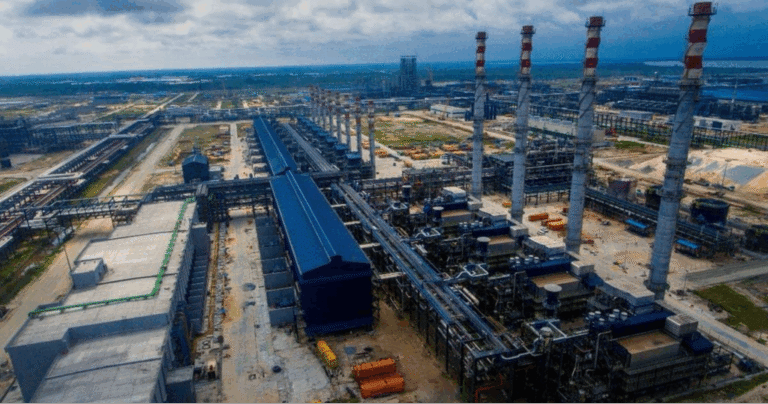
Currently, pump prices of petrol in Lagos and Abuja range between N925 and N960 per litre. Major marketers such as NNPCL, Eterna, and AA Rano have recently adjusted their Abuja prices to N940 per litre. According to the Nigerian Midstream and Downstream Petroleum Regulatory Authority, Dangote Refinery supplies about 20 million litres of petrol daily out of Nigeria’s estimated 45–50 million litres of average daily consumption. However, Dangote Refinery now reports loading over 45 million litres of Premium Motor Spirit daily and has backed the government’s 15 percent import duty on refined petroleum products.
The introduction of the import tariff is expected to have significant implications for Nigeria’s fuel market. If implemented effectively, it could promote local refining and reduce reliance on imported fuel. Conversely, if the tariff is used to manipulate prices or shield certain players from competition, it could raise fuel prices and harm consumers. As the situation unfolds, it is essential to monitor the tariff’s effects and ensure it serves its intended purpose of promoting local industry without damaging consumers.



Comments are closed for this story.