

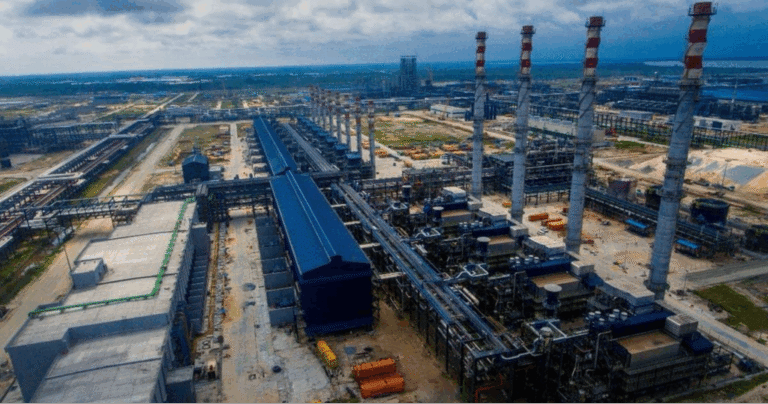
Nigeria’s government has introduced a 15 % import duty on petrol and diesel, sparking debate among industry stakeholders. The policy aims to protect local refineries and reduce Nigeria’s dependence on imported petroleum products, encouraging domestic refining capacity. The Dangote Refinery, which supplies 20 million litres of petrol daily, has welcomed the measure, expecting its output to increase and potentially lower the need for imports.
According to Zacch Adedeji, Executive Chief of the Federal Inland Revenue Service, the new tariff could push petrol prices in Lagos State to approximately N964.72 per litre. Sunday Dare, a presidential spokesperson, described the policy as a “bridge, not a burden” for Nigerians, intended to boost domestic capacity and reverse the country’s reliance on imports. The Centre for the Promotion of Private Enterprise also supports the tariff, citing its potential to protect local refineries such as Dangote and the Nigerian National Petroleum Company Limited.
However, not all stakeholders are in favour. Ayiri Emami, an All Progressives Congress chieftain, argued that the import duty’s burden will be passed on to ordinary Nigerians. The Independent Petroleum Marketers Association of Nigeria opposes the tariff, warning that it will raise petrol prices. Industry experts, including Dr. Tim Okon, Managing Partner of TENO Energy Resources Limited, and Lucky Akhiwu, Publicity Secretary of the Petroleum Technology Association of Nigeria, have expressed concerns that the policy could lead to price manipulation and consumer exploitation.
The introduction of the 15 % import duty on petrol and diesel is a significant development for Nigeria’s oil and gas sector. With daily petrol consumption estimated at 45–50 million litres, the policy’s impact on the industry, consumers, and the broader economy will be closely watched by stakeholders and the public alike.



Comments are closed for this story.