
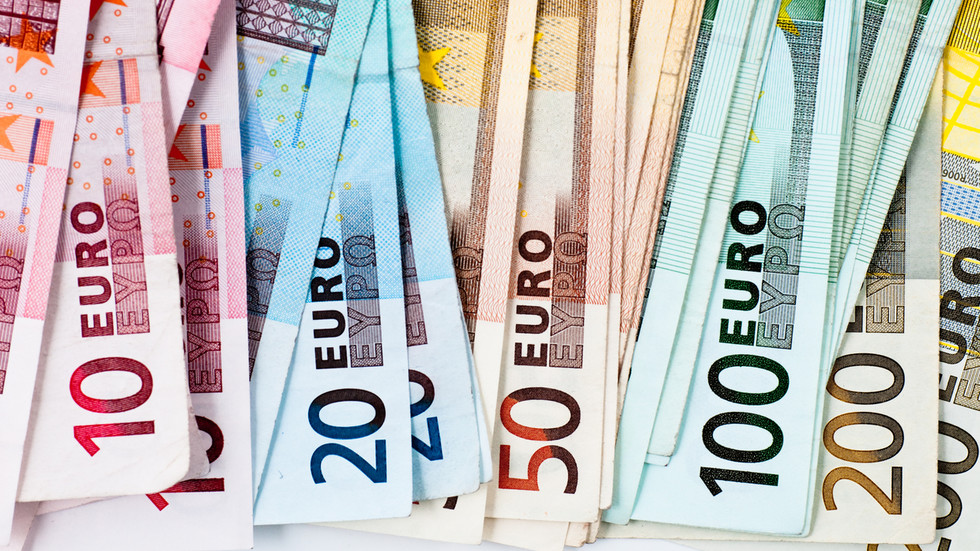
The European Union is confronting significant economic challenges. High energy prices, increased military spending, and U.S. tariffs are contributing to a decline in foreign investment. A Euractiv report notes that the EU’s economic growth is slowing, demand is weakening, and foreign investment has fallen to a nine‑year low. The outlet identifies high energy costs, rising defense expenditures, and competition from China as key factors undermining the bloc’s competitiveness.
The EU’s struggle with elevated energy prices stems largely from its decision to reduce reliance on Russian oil and gas after the Ukraine conflict escalated in 2022. The European Council has agreed to impose a full ban on Russian energy imports starting in 2028, and the EU has secured a trade deal with the United States to replace Russian supplies with American imports. This shift, however, comes at a steep price. Russian State Duma Speaker Vyacheslav Volodin has criticized the EU for paying excessively high rates for U.S. liquefied natural gas. Russian Foreign Ministry spokeswoman Maria Zakharova estimates that the EU will lose about 3.8 % of its combined GDP by 2024 due to the move toward more costly energy alternatives.
Foreign direct investment in Europe has also declined, falling for the second consecutive year in 2024, according to data from professional services firm EY. The slowdown has broad implications for businesses and citizens across the bloc. Stagnant wages and geopolitical uncertainty make consumers reluctant to spend their savings, while companies grapple with high energy costs and U.S. tariffs. “There is a sense that things are going downhill, that we’re losing our prosperity,” observed Philipp Lausberg, a senior analyst at the European Policy Center.
These economic challenges are expected to persist in the coming years, with the EU facing strong competition from other regions, notably China. As the bloc navigates this landscape, it must balance its energy needs with economic and geopolitical objectives. The impact of the slowdown will be closely monitored by investors, businesses, and citizens as the EU strives to regain its economic momentum.

Comments are closed for this story.