
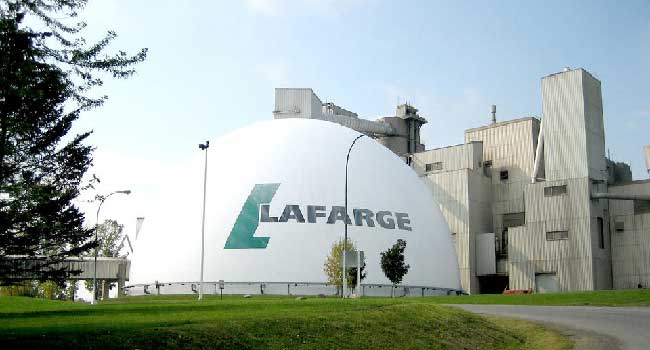
French cement group Lafarge is set to go on trial in Paris, accused of paying millions of dollars to the Islamic State and other jihadist organizations to protect its business interests in war‑torn Syria. The company, now owned by Swiss conglomerate Holcim, allegedly made payments to extremist groups—including the Islamic State and the Al‑Qaeda affiliate Jabhat al‑Nusra—in 2013 and 2014.
The trial, scheduled to run until mid‑December, will see Lafarge, its former director Bruno Lafont, and several executives and intermediaries face charges of “funding terrorism” and violating international sanctions. If found guilty, the company could be fined up to $1.2 million, with potentially harsher penalties for sanctions breaches.
Lafarge’s Syrian subsidiary, Lafarge Cement Syria, is alleged to have paid intermediaries to obtain raw materials from extremist groups and to secure free movement for the company’s trucks and employees. This occurred despite other multinational firms leaving Syria in 2012 over safety concerns. Lafarge evacuated only its expatriate staff, leaving Syrian employees in place until September 2014, when the Islamic State seized the factory.
The case first emerged in 2016 through media reports and legal complaints filed by the French finance ministry and NGOs, prompting a French investigation. Lafarge has already pleaded guilty in a separate U.S. case to conspiring to provide material support to U.S.-designated foreign terrorist organizations, agreeing to pay a $778 million fine—the first such penalty against a corporation.
The company’s actions have been widely condemned. Approximately 430 Americans of Yazidi background, along with Nobel laureate Nadia Murad, have filed a civil suit accusing Lafarge of supporting brutal attacks on the population through a conspiracy with the Islamic State.
The Paris trial will examine the extent of Lafarge’s involvement with extremist groups in Syria and whether its conduct breached international law. The case carries significant implications for corporations operating in conflict zones and underscores the need for companies to ensure their activities do not support or enable terrorist organizations.


Comments are closed for this story.