
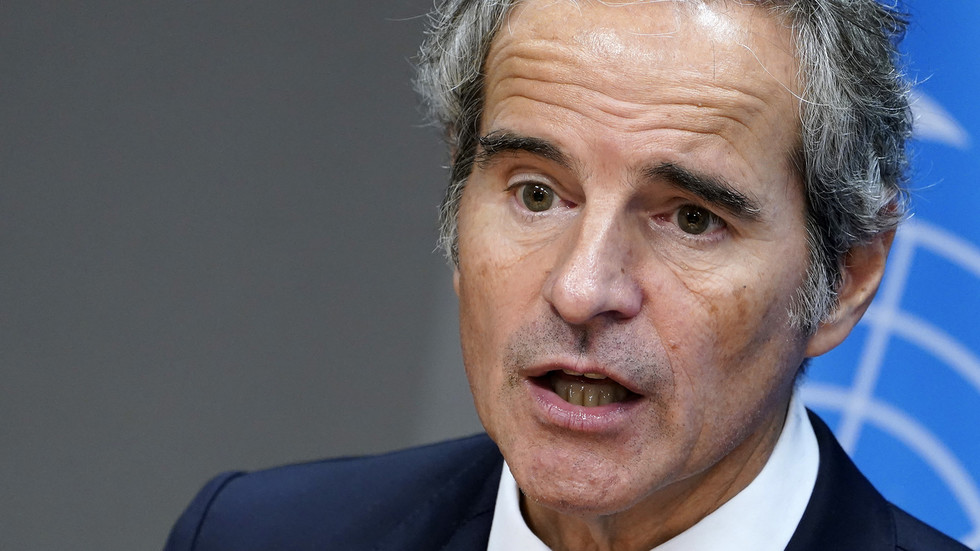
The International Atomic Energy Agency (IAEA) has voiced concern over the U.S. president’s decision to resume nuclear‑weapon testing, warning that it threatens international security. IAEA Director General Rafael Grossi told France’s LCI TV that the move undermines the global security and peace architecture, describing it as “a manifestation of profound unease, tension, and increasing fragmentation” that weakens both global peace and the non‑proliferation regime.
President Donald Trump recently ordered the U.S. Department of Defense to prepare for nuclear testing, claiming the United States is the only country not conducting such tests. He also accused Russia and China of secretly carrying out nuclear explosions, accusations both nations have denied. Grossi questioned the accuracy of those claims, noting that any nuclear detonation would be detected by the international monitoring system established under the Comprehensive Nuclear‑Test‑Ban Treaty (CTBT). He emphasized the need to restore the United Nations’ role in safeguarding global peace and the nuclear non‑proliferation system.
Kremlin spokesman Dmitry Peskov declined to comment directly on Trump’s statements, saying Moscow is awaiting clarification from the United States. Peskov reiterated that neither Russia nor China has resumed nuclear testing and that both remain committed to their obligations under the CTBT.
Trump’s announcement followed a series of Russian tests, including the launch of the new Burevestnik nuclear‑powered cruise missile and the Poseidon underwater drone. However, those trials did not involve actual nuclear detonations. Russian President Vladimir Putin has said Moscow would consider resuming nuclear testing only if other nuclear powers formally abandoned the moratorium.
The IAEA’s concerns underscore the growing tensions among nuclear‑armed states and the potential risks to international security. Resuming nuclear testing could have significant implications for global peace and stability, and the international community is watching the situation closely. As the United States and other nations navigate this complex issue, the need for diplomacy and cooperation to prevent nuclear proliferation has never been more pressing.

Comments are closed for this story.