
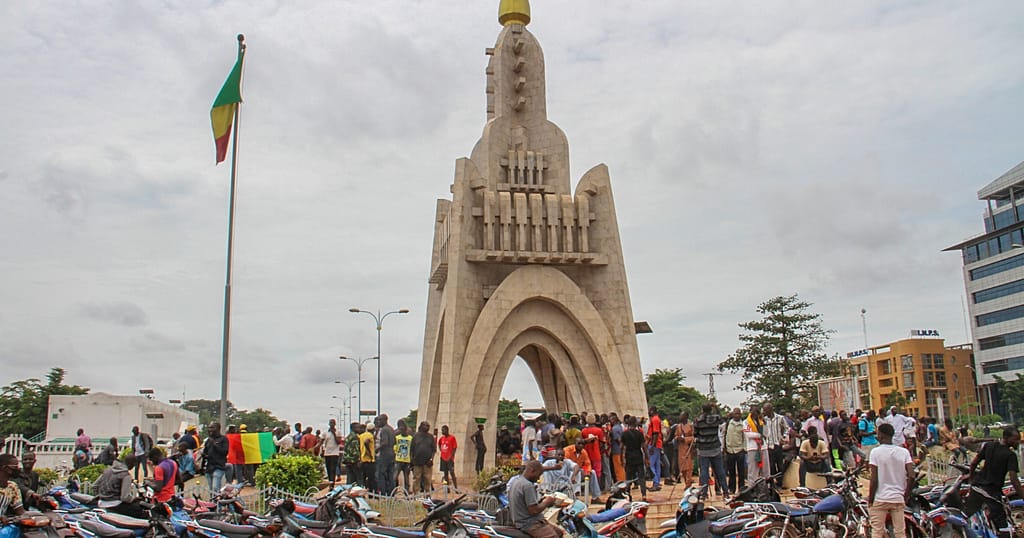
A senior U.S. State Department official, Christopher Landau, spoke by phone with Mali’s foreign minister on Tuesday to discuss the latest security developments in the country. The call follows a U.S. travel warning for Mali that cited rising security risks, and it comes after Washington ordered non‑essential embassy staff and citizens to leave the country last week.
The security situation has been worsened by a blockade imposed by Islamist insurgents, which has caused widespread fuel shortages in the capital, Bamako. Over the past two months, the insurgents have repeatedly targeted fuel tankers on highways leading to the city, setting them ablaze. As a landlocked nation, Mali depends heavily on fuel shipments from neighboring Senegal, so the blockade poses a significant challenge. Although army soldiers have attempted to escort convoys, the attacks have persisted.
Mali, together with its Sahel neighbors Niger and Burkina Faso, has been battling a deadly Islamist insurgency for more than a decade. The ongoing conflict raises concerns about regional stability and the junta’s ability to maintain control. The U.S. warning and the evacuation of non‑essential personnel underscore the gravity of the situation.
The persistent attacks on fuel tankers have disrupted supply chains, leading to shortages and heightening fears of further instability. As the crisis unfolds, the international community is closely monitoring developments in Mali and the broader Sahel region. The conversation between Landau and Mali’s foreign minister highlights the importance of international cooperation in addressing these security challenges and is likely to focus on ways to enhance stability, including potential support for the Malian government and military. The world will be watching for any signs of progress or deterioration as the situation evolves.

Comments are closed for this story.