
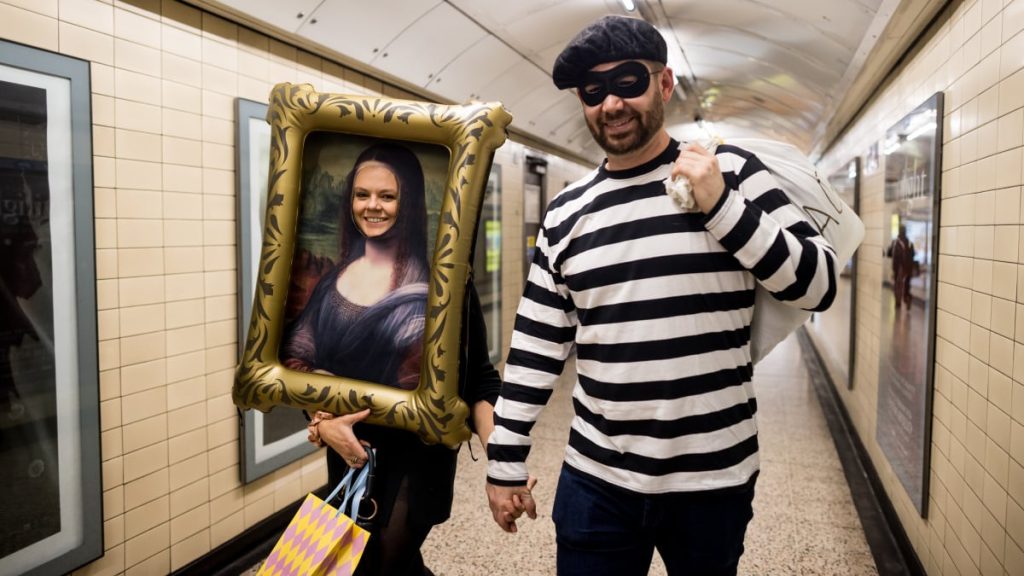
A recent security breach at the Louvre museum in Paris has underscored the importance of robust password protection. French newspaper Libération reported that the password for the museum’s video‑surveillance system was simply “Louvre.” The revelation sparked both concern and amusement online, given the simplicity of the password protecting a facility that houses over 500,000 valuable works of art, including centuries‑old crown jewels.
The incident occurred shortly after a major art heist in which thieves stole items worth $102 million. The use of such a straightforward password has raised questions about the security measures at the Louvre, the world’s most visited museum. While the museum has not commented on the specific safeguards in place at the time of the breach, the episode highlights the need for individuals and organizations to employ strong, unique passwords to protect sensitive information and assets.
Security experts recommend passwords that combine uppercase and lowercase letters, numbers, and symbols, and that are updated regularly to prevent unauthorized access. Avoiding easily guessable information—such as names or common words—is essential. In light of the Louvre breach, organizations are advised to review their password protocols and ensure they are using robust, secure credentials to safeguard valuable assets.
The Louvre incident serves as a reminder of the necessity for vigilance and proactive measures against cyber threats. As technology evolves, staying informed about best practices for password protection and overall cybersecurity is crucial for minimizing the risk of breaches and protecting valuable assets.



Comments are closed for this story.