
A former South African businessman, Angelo Agrizzi, avoided jail time by entering a plea deal with state prosecutors. Although he was initially sentenced to 40 years in prison for his role in a widespread government corruption scheme, the sentence was suspended on the condition that he continue to cooperate with ongoing investigations.
Agrizzi’s testimony before the Zondo Commission in 2019 detailed how he delivered bribes to government officials, lawmakers and other individuals in exchange for lucrative contracts. As chief operating officer of a facilities‑management company, he said his duties included organizing favors and handing cash to high‑ranking officials, including a former cabinet minister and senior government figures. The plea deal concerns cases involving the former commissioner and deputy commissioner of South Africa’s Department of Corrections and a former ruling‑party lawmaker, all charged with receiving bribes from Agrizzi.
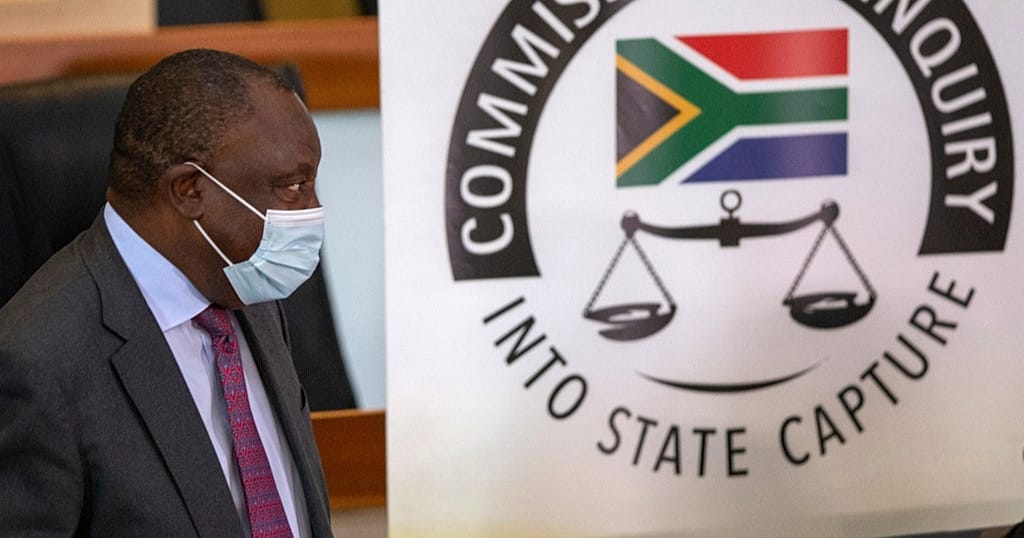
He pleaded guilty to three counts of corruption and one count of money laundering. His former company, Bosasa, allegedly secured more than $100 million in government contracts through these bribes. The Zondo Commission, which ran from 2018 to 2022, heard testimony from hundreds of witnesses and exposed extensive corruption under former President Jacob Zuma. While many individuals have been implicated, only a few have been prosecuted, and many connected to the ruling African National Congress have seemingly avoided charges.
Agrizzi’s case is significant because it underscores ongoing efforts to hold corrupt officials accountable. The National Prosecuting Authority has faced criticism for the slow pace of prosecutions, prompting calls for stronger action against corruption in South Africa. Former President Zuma, convicted of contempt of court for refusing to testify before the commission, also faces separate corruption charges that have yet to go to trial.
The outcome of Agrizzi’s case and the continued investigations into government corruption will be closely watched as South Africa grapples with the legacy of corruption and strives for greater transparency and accountability. With many still awaiting justice, the case serves as a reminder of the need for sustained efforts to combat corruption and ensure that those responsible are held accountable.




Comments are closed for this story.