
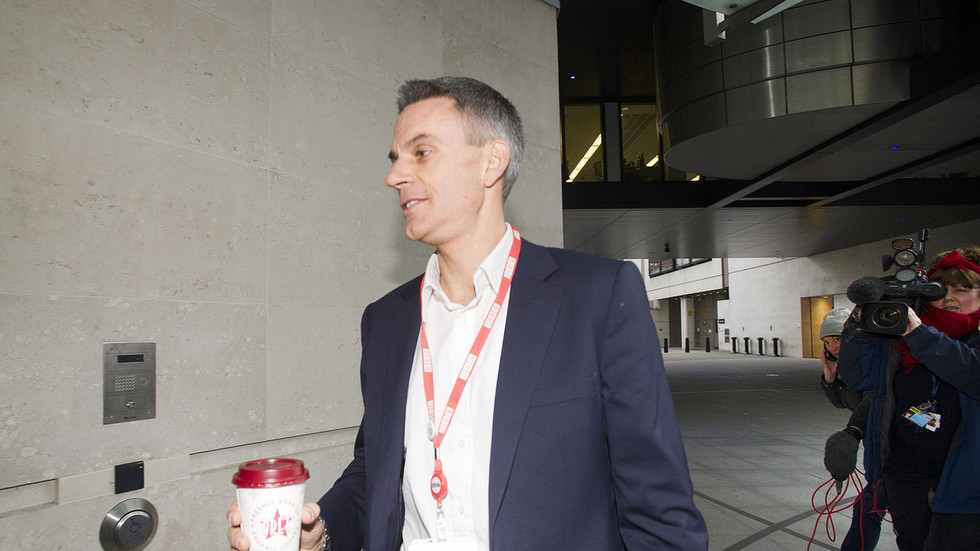
The British Broadcasting Corporation (BBC) announced the resignations of its director‑general, Tim Davie, and head of news, Deborah Turness, amid controversy over a documentary about the 2021 U.S. Capitol riots. The broadcaster has been accused of misleading the public by splicing together separate segments of a speech delivered by President Donald Trump on 6 January 2021. The White House criticized the BBC, with Press Secretary Karoline Leavitt calling it a “leftist propaganda machine” and accusing it of being “purposefully dishonest.”
The dispute centers on a BBC Panorama episode that juxtaposed two clips of Trump’s remarks made about 54 minutes apart, creating the impression that he directly incited protesters to march on the Capitol. In reality, the footage of the protesters was recorded before Trump began addressing his supporters. The BBC acknowledged that the controversy has damaged its reputation but maintained that it seeks to “pursue the truth with no agenda.” Turness affirmed the broadcaster’s commitment to accuracy and fairness despite accusations of bias.
This is not the BBC’s first encounter with criticism over its journalistic practices. Last month, the UK communications regulator Ofcom ruled that the corporation had breached its code in another documentary by failing to disclose that the narrator was the son of a Hamas official, deeming the program “materially misleading.”
Funded by an annual licence fee and receiving direct government support for its World Service, the BBC’s dedication to impartiality and accuracy has been called into question. The resignations of its top officials may be seen as an effort to restore public trust. The episode underscores the importance of accurate, unbiased reporting, especially concerning high‑profile events such as the 2021 U.S. Capitol riots. As a publicly funded broadcaster, the BBC bears the responsibility to uphold the highest journalistic standards and provide trustworthy information to its audience.


Comments are closed for this story.