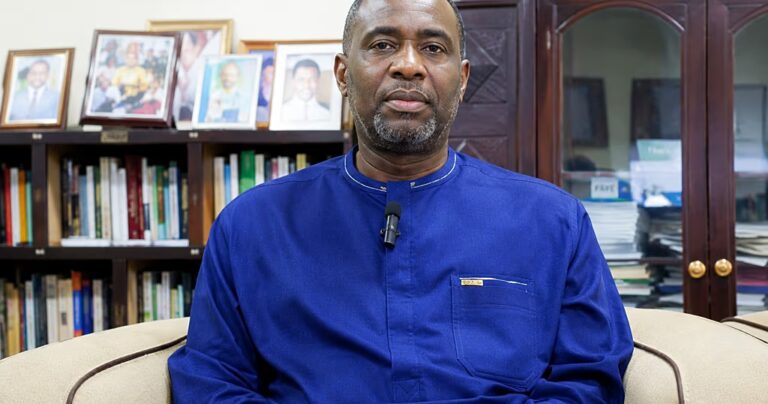
Brown Mogotsi is expected to return to the Johannesburg Magistrates Court on Monday after a Johannesburg High Court judge denied his bid for bail. The 47‑year‑old, who was arrested in May on five charges that include perjury, defeating the ends of justice, unlawful possession of a firearm and ammunition, and firing a gun in a public place, failed to present any new facts that would justify his release. He is alleged to have staged an assassination attempt on himself in Vosloorus in 2025 and was denied bail because he could not provide a verified residential address. The High Court upheld the magistrate’s decision, leaving Mogotsi behind bars as his case moves toward trial.
In a separate proceeding, the trial within a trial involving alleged underworld figure Vusimuzi “Cat” Matlala and four co‑accused continues in the Johannesburg High Court. Police Captain Pimi Sekgobela is scheduled to testify for a sixth day. The court is hearing arguments over whether evidence collected during the arrest of accused Musa Kekana was obtained lawfully. The defence contends that police failed to follow proper procedures and seeks to exclude the evidence from the main trial. Last week, defence lawyer Advocate Annelene van den Heever referred to a South African Police Service standing order during cross‑examination but could not immediately produce the document. Judge Carrim Moosa ruled that any legal authority relied on in court must be available when questioned. Another member of the arrest team is expected to testify after Sekgobela completes his evidence. The State maintains that the arrest, search and seizure of firearms were lawful and denies allegations that Kekana was assaulted or tortured.
In Pretoria, a 47‑year‑old man accused of deliberately infecting his former girlfriend with HIV is due back in court. He faces a charge of attempted murder. The National Prosecuting Authority says the couple were in a relationship between October 2025 and June 2026. The woman allegedly discovered antiretroviral medication in his bag and confronted him. The State claims he admitted he was HIV positive and deliberately infected her because he did not want her to be with anyone else. She later tested positive for HIV and reported the matter to police. The TEARS Foundation warned that, if proven, the allegations would constitute a serious violation of trust and informed consent, and urged that the focus remain on the alleged intentional deception and harm rather than stigmatising people living with HIV.
Away from the courtroom, the Democratic Alliance has called for the Investigating Directorate Against Corruption to be disbanded. Party MP Glynnis Breytenbach said the unit’s credibility had been damaged beyond repair and that South Africa needs a fully independent anti‑corruption commission established outside the National Prosecuting Authority. She argued that the new body should have its own law, budget and independence to investigate corruption without political interference.
These high‑profile cases underscore the continued scrutiny of the country’s justice system and the political debate over anti‑corruption structures. As the Gauteng courts resume hearings this week, observers will be watching how the courts balance procedural safeguards, evidence admissibility and the broader implications for public confidence in the rule of law.