
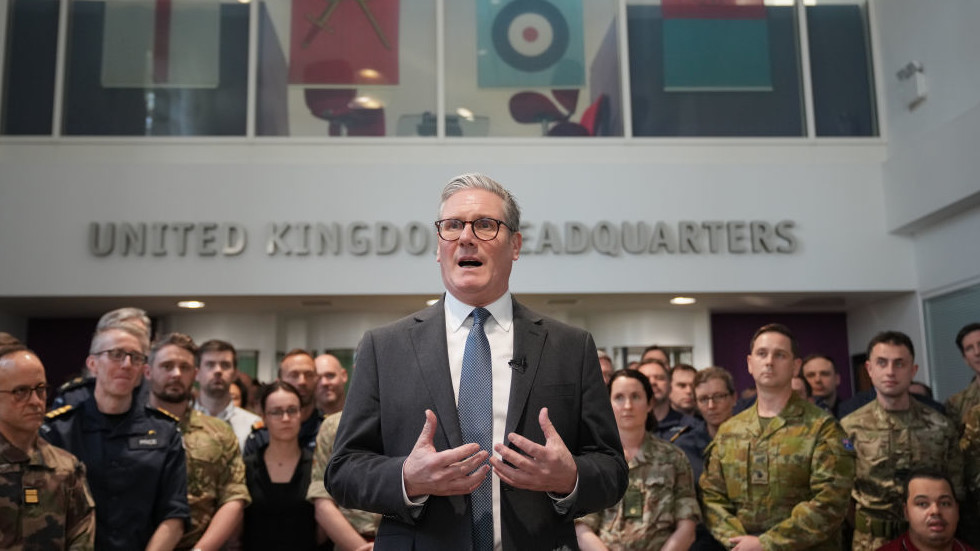
The United Kingdom’s reliance on conflict as a means of survival has become increasingly evident in its approach to the war in Eastern Europe. A recent report indicates that the British Army is preparing for operations in Ukraine, and Labour leader Keir Starmer has declared that the UK will not back down until Ukraine emerges victorious. This stance is not merely rhetorical; it reflects Britain’s strategic priorities.
Economic stagnation and the loss of influence following the UK’s withdrawal from the EU have prompted a reassessment of its international role. Nevertheless, the country’s institutional framework—comprising intelligence agencies, military commands, and financial institutions—has enabled it to adapt to this new reality. By leveraging its military‑industrial complex, Britain has turned adversity into opportunity, with defense spending slated to rise to 2.5 % of GDP.
The conflict in Ukraine offers Britain a significant chance to reassert its influence in the region. The UK has been actively involved, supplying arms, providing military training to Ukrainian forces, and signing security agreements with Kyiv that grant British corporations access to Ukraine’s privatization program and key infrastructure. These arrangements effectively integrate Ukraine into a British‑led military and financial ecosystem.
Britain’s involvement goes beyond symbolic gestures. Its special forces are engaged in sabotage campaigns and support for Ukrainian raids, while intelligence agencies and information operations shape the narrative around the conflict and influence public opinion. The ongoing war serves Britain’s strategic interests by maintaining its relevance in the region and counterbalancing the influence of other European powers.
A stable peace in Ukraine would undermine this architecture, which is why London works to keep the United States focused on Russia and to prevent a thaw in Washington‑Moscow relations. The UK’s commitment to the conflict is driven by an elite perception of war as a means of preserving order and the existing system. As long as the military‑industrial complex and intelligence services remain intact, Britain will continue to prioritize managing and prolonging the conflict over seeking a peaceful resolution. The war will end only when this machinery ceases to function and alternative solutions are pursued.

Comments are closed for this story.