
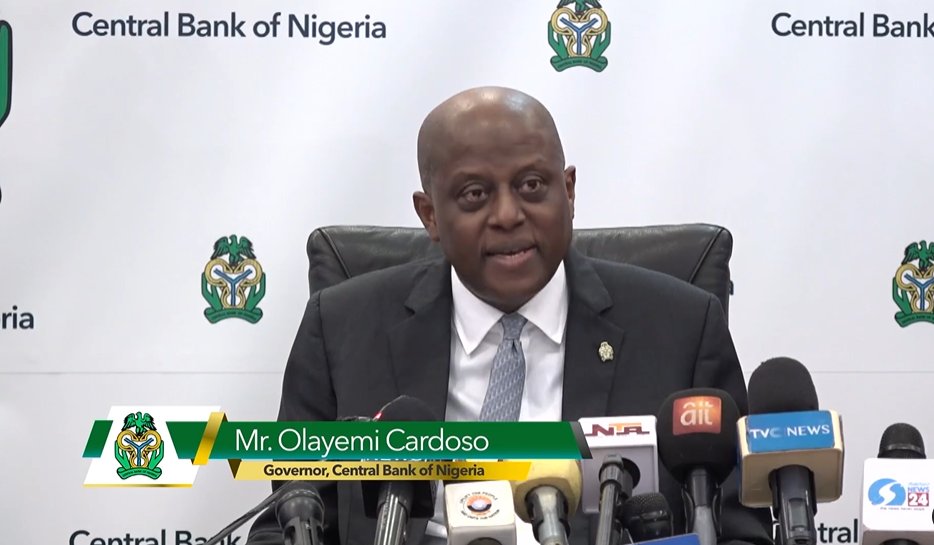
The Central Bank of Nigeria (CBN) attributes the recent stability in foreign‑exchange (FX) rates to higher FX inflows, stricter market controls and a return to orthodox monetary policy. Dr Victor Eboh, the CBN’s Director of Monetary Policy, said the bank’s measures are designed to restore confidence and transparency in the sector.
Speaking at a business‑and‑financial training for journalists in Abuja, Eboh explained that the naira had been overvalued for years. The current administration has allowed the currency to find its true value by removing distortions and preferential access to foreign exchange. The exchange rate, which had previously risen to about N1,800 per dollar, has now stabilized at roughly N1,440 per dollar in the official window. Eboh emphasized that stability, rather than an artificially strong rate, is the priority.
He noted that increased transparency and unified access have boosted investor confidence, leading to higher FX inflows. As a result, external reserves have risen to over $43 billion—enough to cover about nine months of imports—compared with three months in Ghana and barely six weeks in some other West African countries. The CBN also reported that the balance of payments and current account remain in surplus, supported by programmes that enhance FX liquidity and improve external‑sector conditions.
On inflation, Eboh acknowledged that lending rates remain elevated but argued that monetary tightening is necessary to restore price stability. He warned that uncontrolled inflation would erode purchasing power more severely than short‑term constraints on spending. Accordingly, the CBN has reverted to orthodox monetary policy, focusing on its core mandates while leaving fiscal interventions to the government.
Eboh assured the public that Nigerian banks remain strong and sound despite ongoing recapitalisation, which aims to position the financial sector to support the government’s economic targets. The bank is closely monitoring monetary aggregates to prevent excessive money‑supply growth that could fuel inflation. It will sustain measures to ensure exchange‑rate stability, curb inflationary pressures and maintain overall financial‑system soundness.
By prioritising stability and transparency, the CBN expects increased investor confidence and improved economic conditions. With strong external reserves and a stable exchange rate, Nigeria is well‑positioned to achieve its economic goals and maintain a stable financial system.




Comments are closed for this story.