
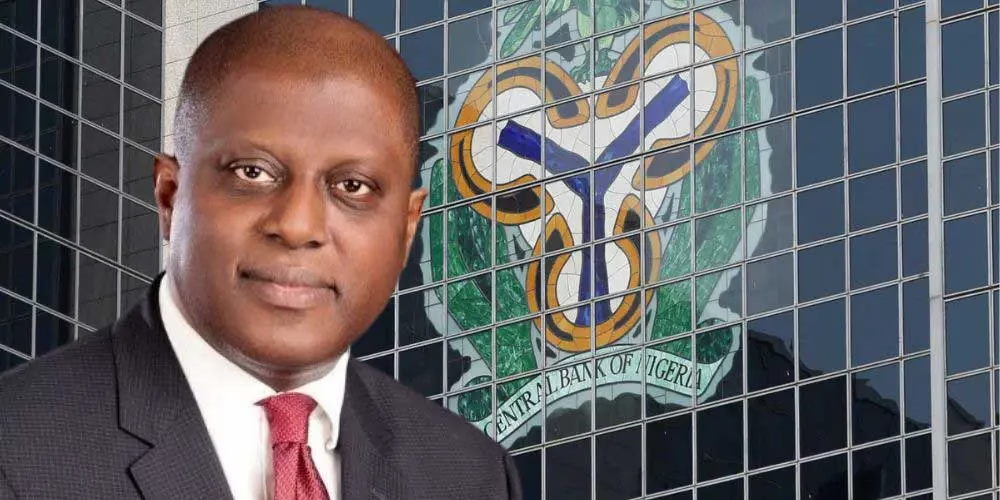
The Central Bank of Nigeria (CBN) and its governor, Olayemi Cardoso, are under scrutiny for the alleged mismanagement of N1.44 trillion in public funds. A 2022 yearly report by the Auditor‑General of the Federation, released on 9 September 2025, indicates that a substantial amount of money is missing or has been diverted. The report shows that the CBN failed to remit over N1 trillion of the Federal Government’s share of operating surplus into the Consolidated Revenue Fund (CRF) account in 2022, raising concerns about the bank’s accountability and transparency.
The Socio‑Economic Rights and Accountability Project (SERAP) has demanded that Cardoso explain the missing funds, citing the CBN’s failure to comply with its Act and uphold principles of transparency and accountability. SERAP warned that if the CBN and Cardoso do not provide an explanation, the organization will pursue legal action. The group also insists that individuals involved in the misappropriation be identified and handed over to anti‑graft agencies—such as the Economic and Financial Crimes Commission and the Independent Corrupt Practices and Other Related Offences Commission—for prosecution. The CBN has not yet commented on the matter.
These allegations have significant implications for Nigeria’s economy and underscore the need for greater transparency and accountability in managing public finances. The case is likely to attract close attention from Nigerian citizens and international observers, who will watch how the situation is handled and whether those responsible are held accountable. The Auditor‑General’s report highlights the necessity of improved oversight and management of public funds in a country that has historically struggled with corruption and mismanagement. As the situation unfolds, calls for reform and increased scrutiny of the CBN’s handling of public resources are expected to grow.



Comments are closed for this story.