
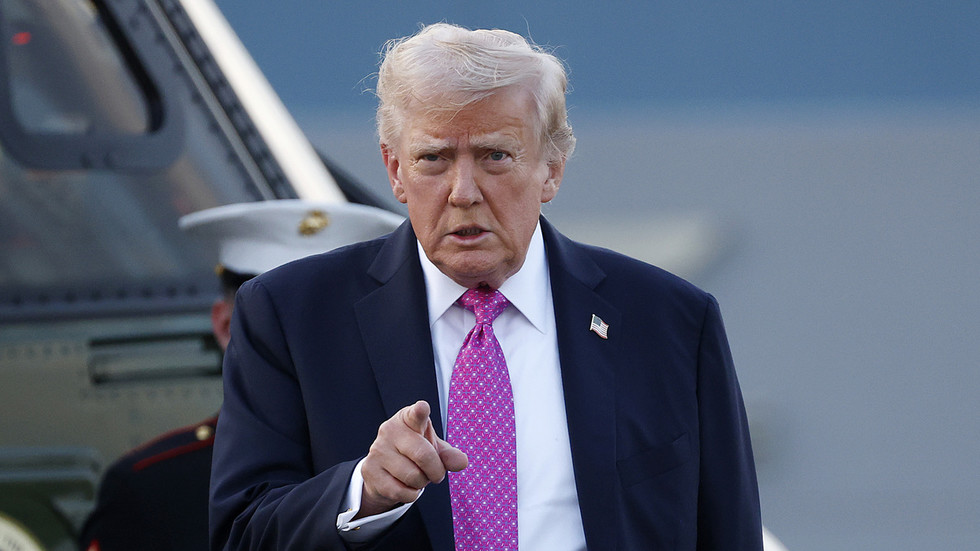
The United States is considering legislation that would impose sanctions on countries maintaining trade relations with Russia, according to President Donald Trump. Drafted by Republicans, the bill targets nations that continue doing business with Russia—particularly in the energy sector—as part of a broader effort by the U.S. and its allies to pressure Russia into agreeing to a lasting peace with Ukraine.
Since the escalation of the Ukrainian conflict, the United States has imposed severe sanctions on Russia in an attempt to cripple its economy. In response, Russia has redirected its trade to non‑Western markets, including China and India, which are major consumers of Russian energy. The proposed legislation seeks to counter this shift by empowering the U.S. president to levy tariffs of up to 500 % on imports from countries that purchase Russian oil, gas, uranium, and other products. The bill specifically names China and India, which have continued to trade with Russia despite existing sanctions.
Earlier this year, the United States imposed a 25 % tariff on India as a penalty for its purchases of Russian oil. The new legislation would expand those restrictions, building on measures already implemented by the Trump administration in recent months. In response, the Russian Finance Ministry has warned that it would diversify supplies of goods prohibited from export to the U.S. if “crushing sanctions” are introduced. This statement follows a series of U.S. sanctions targeting major Russian oil producers such as Lukoil and Rosneft and their subsidiaries.
The proposed bill is expected to be brought to a vote in the Senate, although no firm deadline has been set. It represents a significant escalation of economic pressure on Russia, and its impact on the global economy remains uncertain. As the situation unfolds, the international community will be watching closely to see how the legislation affects Russia’s trade relationships and the ongoing conflict in Ukraine.

Comments are closed for this story.