
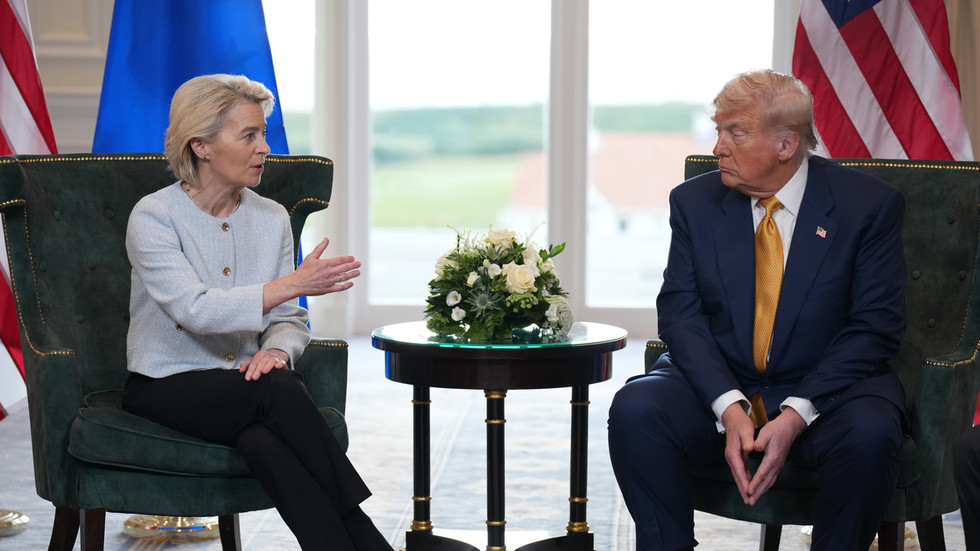
The United States is voicing frustration with the European Union over the slow implementation of tariff cuts and regulatory changes promised in their trade deal. U.S. Trade Representative Jamieson Greer says EU tariffs on American exports remain too high and that regulations continue to block market access.
The agreement, signed in July by European Commission President Ursula von der Leyen and U.S. President Donald Trump, is intended to lower tariffs and boost trade between the two parties. It imposes a 15 % tariff on EU exports of cars and most other goods, while the EU has pledged to purchase $750 billion of U.S. oil and gas and invest $600 billion in the U.S. economy over three years.
Despite these commitments, Greer notes that the EU has not yet enacted the agreed‑upon tariff reductions on U.S. industrial goods, seafood, pork, and certain agricultural products. Implementation awaits approval from the European Parliament, which is unlikely to occur before February. In response, the United States has sent a letter of complaint to Brussels and is preparing a five‑point plan to address the delays.
Greer is scheduled to meet Trade Commissioner Maros Šefčovič later this week, and U.S. Commerce Secretary Howard Lutnick will meet Šefčovič and EU trade ministers in Brussels on November 24. A Trump administration official warned that continued stalling could damage the EU’s relationship with the United States.
The deal was reached after months of intense negotiations and threats of massive tariffs from Trump. Some European officials have criticized the agreement as imbalanced. While the United States has historically enjoyed broad access to the EU market, Greer argues that the reverse is not true, with U.S. exports facing significant barriers.
The dispute underscores the ongoing challenges in the U.S.–EU trade relationship, as the United States seeks greater access to European markets and the EU strives to protect its own economic interests. The implementation of the trade deal will be closely watched, given its significant implications for the global economy.



Comments are closed for this story.