
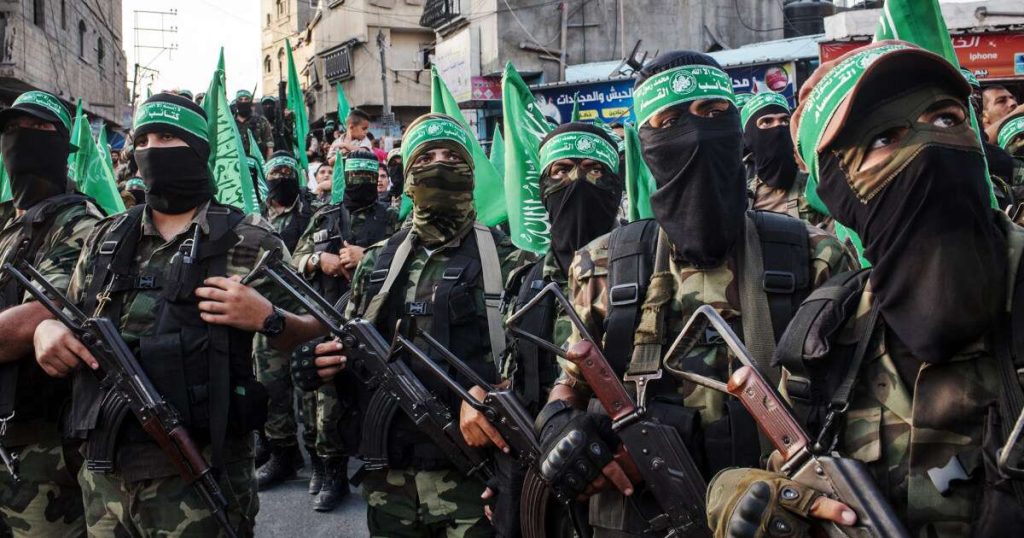
The Palestinian militant group Hamas has criticized a U.S.-backed United Nations Security Council resolution that seeks to determine Gaza’s future, calling it an attempt to impose international control over the territory. The draft resolution, which calls for the deployment of an International Stabilisation Force (ISF), has raised concerns among Hamas and other Palestinian factions, who warn of “dangers” in its provisions. Hamas argues that the wording could lead to external dominance over Palestinian decision‑making, effectively stripping Palestinians of their right to manage their own affairs.
Hamas stresses that humanitarian assistance should be administered through competent Palestinian institutions, under United Nations supervision, and with respect for Palestinian sovereignty and the needs of the population. The group also warns that aid must not be used to marginalise Palestinian institutions and reiterates its rejection of any clause that calls for the disarmament of Gaza.
The Security Council is set to discuss the Middle East situation more than a month after a ceasefire took effect following over two years of war in Gaza. The U.S.‑drafted resolution will be on the agenda, with backing from regional actors such as Egypt, Qatar, the United Arab Emirates, Pakistan, Saudi Arabia, Jordan and Turkey. The proposed Gaza peace plan calls for Hamas’s disarmament, the deployment of international troops to stabilise the coastal area, and the creation of a transitional government composed of Palestinian technocrats. Western nations have urged that the plan be secured through a UN Security Council mandate.
As the Council debates the resolution, the international community awaits an outcome that could have significant implications for Gaza’s future and the broader Middle East peace process. The situation remains complex, involving numerous stakeholders, and any negotiated solution will require careful consideration of the concerns and interests of all parties.




Comments are closed for this story.