
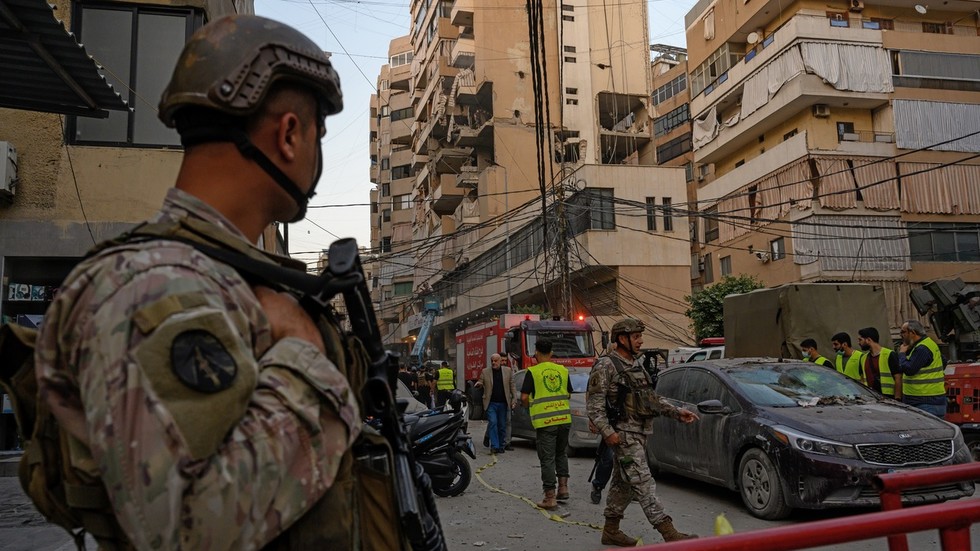
A senior commander of the Lebanese militant group Hezbollah, Haytham Ali Tabatabai—also known as Abu Ali Tabatabai—was killed in an Israeli airstrike on Beirut on Sunday. The strike hit the Haret Hreik district, a Hezbollah stronghold in the Lebanese capital, and was confirmed by both Hezbollah and the Israel Defense Forces. Lebanon’s Health Ministry reported at least five deaths and 28 injuries.
Tabatabai had joined Hezbollah as a teenager after its formation during Israel’s 1982 invasion of Lebanon. He was one of the few long‑serving commanders to survive Israel’s targeted‑killing campaign last year. Israeli officials described him as the group’s “second‑in‑command” in its current military hierarchy, while Hezbollah called him a “great commander.”
Prime Minister Benjamin Netanyahu praised the strike, saying it was part of Israel’s ongoing effort to destroy the group, which it labels a terrorist organization. He noted that the United States had placed a $5 million bounty on Tabatabai’s head in 2016, a year after he survived an earlier Israeli assassination attempt. Netanyahu claimed Tabatabai had been overseeing Hezbollah’s rearmament as the organization rebuilt its capabilities following a series of Israeli setbacks.
Lebanese President Joseph Aoun condemned the killing and urged the international community to intervene to stop attacks on Lebanon and its people. The incident underscores the persistent tensions between Israel and Hezbollah, an Iran‑backed force opposing Israel’s regional dominance. Netanyahu argued that dismantling the organization would enable “a better future… for every citizen in Lebanon.” Hezbollah’s regional role and its ties to Iran remain a concern for Israel and other countries, and the killing of Tabatabai is likely to heighten tensions and have significant regional implications.

Comments are closed for this story.