
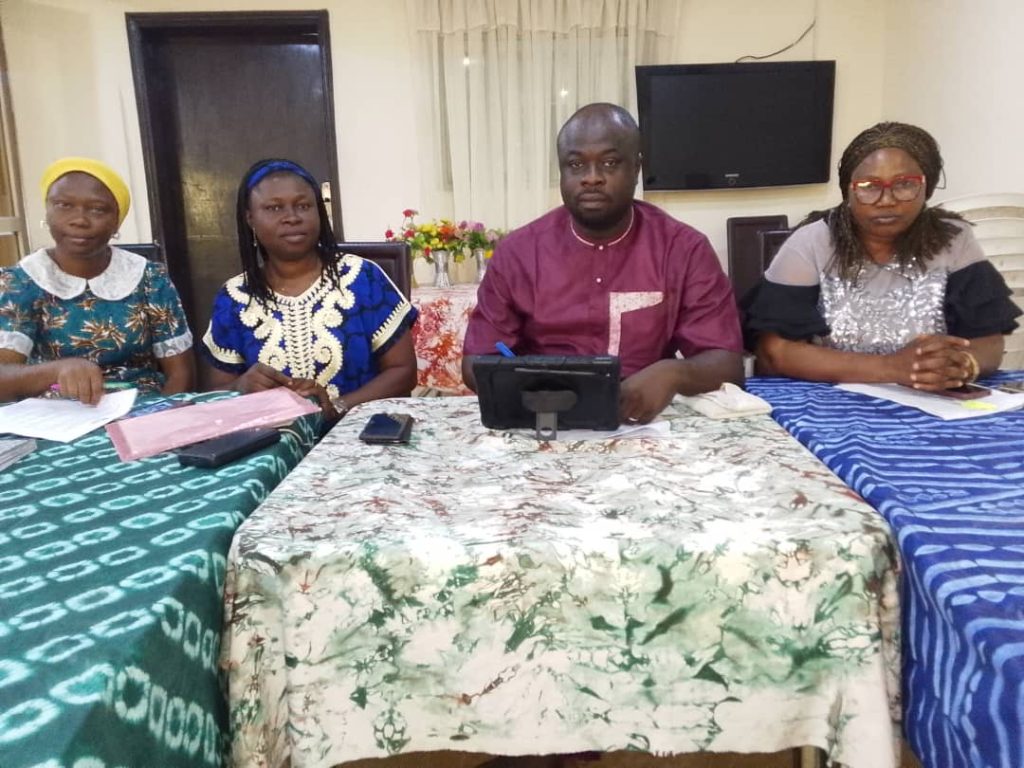
A significant improvement in healthcare service delivery has been observed in Ogun State, Nigeria, following the implementation of the Community‑Led Monitoring (CLM) initiative by the Civil Society for Malaria Control, Immunization, and Nutrition (ACOMIN). At a media meeting organized by Health Matters Incorporated (HMI) on the Global Fund Malaria Community‑Led Monitoring project, ACOMIN State Secretary Akintayo Akinpelu reported a noticeable positive change in health workers’ attitudes toward patients, resulting in more competent and effective care.
Akinpelu attributed these gains to the CLM initiative, which empowers citizens to identify service‑delivery gaps, advocate for solutions, and hold duty‑bearers accountable. This participatory approach has strengthened community health systems and outcomes. It has also improved communication between facility staff and clients regarding charges for AIDS, Tuberculosis, and Malaria (ATM) management, leading to greater transparency, fewer misunderstandings, and higher client satisfaction.
Community leaders are now actively supporting inclusive ATM care services. Members of various communities have donated materials to address challenges that previously hindered facility operations. In addition, facility infrastructure has improved: overgrown bushes have been cleared and a perimeter fence erected to enhance security. Akinpelu highlighted these developments as evidence of strong communal ownership and partnership.
Meanwhile, Mrs. Aboluwarin Elizabeth, the state focal person for community‑engagement strategic initiatives, urged the government to provide sign‑language interpreters and translators in healthcare facilities. She explained that such support would enable people with hearing impairments—especially in areas with many non‑indigenes—to access ATM services.
The improvements in Ogun State’s healthcare delivery represent a significant step toward better health outcomes for its citizens. The CLM initiative demonstrates the importance of community participation and engagement in health services and can serve as a model for other regions. As the state continues to enhance its healthcare system, providing inclusive services such as sign‑language interpretation will be crucial to ensuring that all citizens receive quality care.




Comments are closed for this story.