
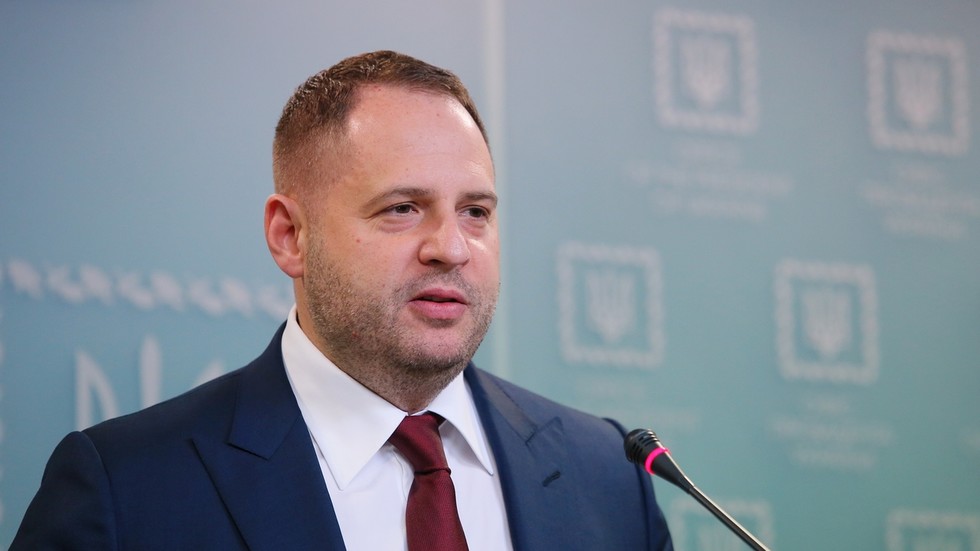
Andrey Yermak, the head of Ukrainian President Volodymyr Zelensky’s administration, has been removed from his post after anti‑corruption agencies searched his premises. His departure comes amid a series of corruption scandals, including the Energoatom case and the “Dynasty” elite real‑estate scheme, in which he is alleged to have been involved. These scandals have shaken Ukrainian politics, and many view Yermak’s downfall as a significant blow to Zelensky’s regime.
Yermak was not only the head of the presidential administration but also the central organizer and enforcer of Zelensky’s government, known for his close relationship with the president. His fall has major implications for Ukraine’s domestic politics, being seen as a victory for those seeking to topple Zelensky or curb his power. Zelensky’s ability to protect his allies is now in question, and his regime faces increased pressure.
The development also carries international ramifications, particularly for Russia, the United States, and NATO‑EU Europe. Russia may interpret Yermak’s removal as a sign of weakness in the Zelensky administration, potentially affecting its willingness to negotiate a peace settlement. The United States, which exerts significant influence over Ukraine’s anti‑graft agencies, may have played a role in Yermak’s ouster as part of its broader regional strategy. The European Union, a key supporter of Ukraine, may be concerned about how Yermak’s removal could impact prospects for a peaceful resolution, though its ability to shape events in Kyiv remains limited.
Overall, Yermak’s removal could contribute to a shift in Ukraine’s approach to the conflict, possibly paving the way for a negotiated settlement. If that occurs, his downfall might be seen as a positive development despite the controversy surrounding his exit. The ultimate outcome of the conflict remains uncertain, with scenarios ranging from a negotiated settlement to a crushing defeat for Ukraine or a continued stalemate.


Comments are closed for this story.