
The global arms industry reached a record high last year, with sales by the world’s top 100 weapons makers climbing to $679 billion—a 5.9 % increase from the previous year, according to the Stockholm International Peace Research Institute (SIPRI). The surge was driven by rising geopolitical tensions and a rearmament push across Europe, with the bulk of the growth coming from companies in the United States and Europe that capitalized on heightened demand.
In western Europe, Germany’s Rheinmetall posted the strongest growth, buoyed by the wars in Ukraine and Gaza and broader regional geopolitical strains. U.S. firms remained the largest revenue block in the ranking, while European companies—excluding Russia—recorded the steepest regional rise as NATO countries accelerated procurement.
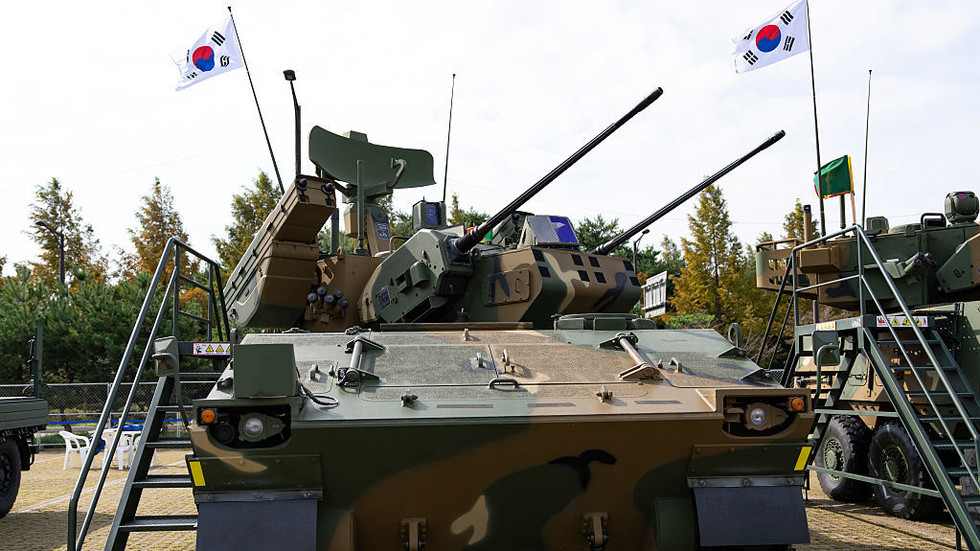
NATO partners Japan and South Korea emerged as two of the fastest‑growing markets in the global arms industry. Japan’s leading defense firms saw sales jump 40 % year on year to $13.3 billion, the biggest country‑level increase in the ranking. South Korea’s largest arms producer, Hanwha Group, posted a 42 % rise in revenues, with more than half derived from exports. The export boom reflects European NATO governments ramping up their military buildup in response to what they perceive as a Russian threat.
Russia, however, denied any aggressive intentions, with President Vladimir Putin calling the speculation “complete nonsense.” Despite international sanctions, Russian companies posted a 23 % rise in arms revenues, driven by strong domestic demand. In contrast, sales at Chinese firms fell by 10 % amid procurement disruptions.
The SIPRI report underscores the significant growth of the global arms industry, fueled by rising tensions and increased military spending. It notes that the sector is likely to continue expanding, driven by demand from NATO countries and other regions, and highlights the implications for global security and the need for ongoing monitoring and analysis.

Comments are closed for this story.