
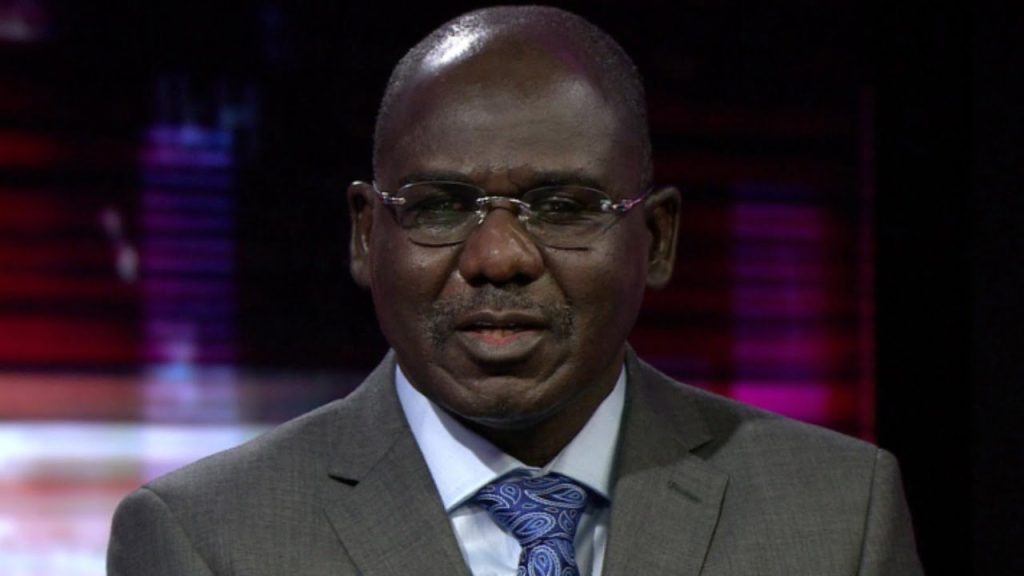
Former Nigerian Army Chief of Staff Tukur Buratai has downplayed concerns that the country is on the brink of collapse, pointing to Nigeria’s history of resilience and its ability to navigate crises. In a statement, Buratai argued that predictions of Nigeria’s demise—such as the 2011 CSAT assessment—overlook the nation’s capacity for leadership reforms and the determination of its people.
Nigeria has faced numerous challenges, including political upheavals, economic shocks, and security threats, yet it has consistently demonstrated an ability to withstand them. Buratai noted that both civilian and military leaders have successfully guided the country through difficult periods, and that today’s leadership is more accountable and engaged with citizens. Despite ongoing economic difficulties, he cautioned against evaluating Nigeria solely on its current problems, describing such an approach as “short‑sighted.”
He highlighted Nigeria’s status as Africa’s largest economy, with growing influence in telecommunications, fintech, and entertainment. On insecurity, Buratai characterized the current challenges as a “renewal phase,” noting that Boko Haram has been significantly degraded since its peak. He cited infrastructure projects—such as railway modernization and major road constructions—as evidence of Nigeria’s investment in its future.
Buratai also criticized Western institutions for making “doomsday projections” about Nigeria’s future, urging global partners to prioritize investment, technology transfer, and fairer trade systems. He advised Nigerian leaders to pursue economic diversification, implement decentralized security measures, and foster stronger civic patriotism. Moreover, he called on African nations to accelerate regional integration under the African Continental Free Trade Area (AfCFTA) and to advocate for a more equitable global financial system.
Emphasizing that Nigeria’s destiny lies in the hands of its people—who possess abundant resources and an unbreakable spirit—Buratai’s statement comes as the country continues to navigate economic and security challenges. His comments underscore the importance of considering Nigeria’s long‑term prospects and its ability to adapt to adversity. As Nigeria looks to the future, it is likely to remain a key player in regional and global affairs, driven by the resilience and determination of its people.

![Troops, terrorists exchange gunfire in Kogi [VIDEO]](https://mediatalkafrica.com/wp-content/uploads/2026/01/Terrorists-Exchange-Gunfire-With-Nigerian-Troops-In-Kogi-State-768x576.jpeg)

Comments are closed for this story.