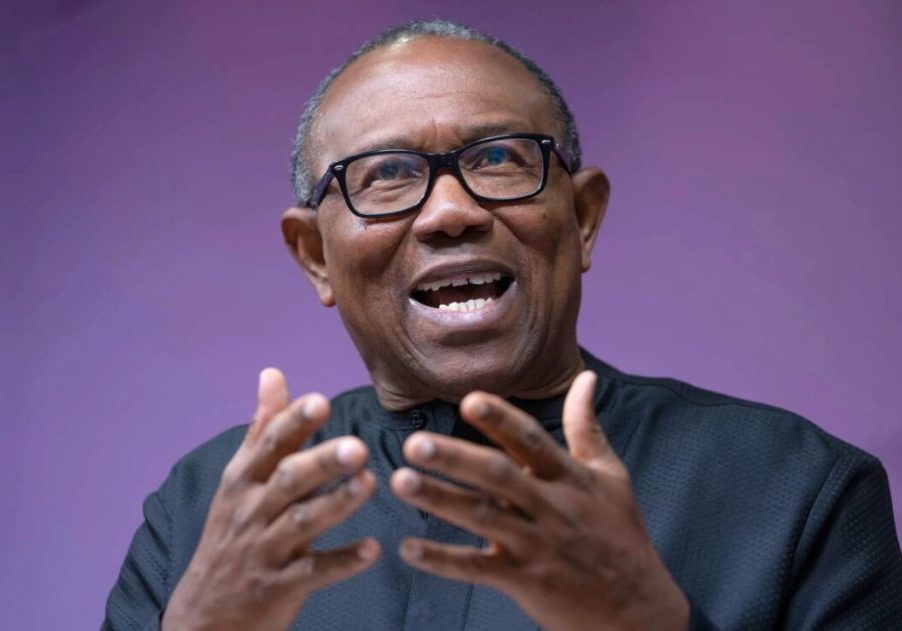
Peter Obi, the Labour Party’s presidential candidate in the 2023 general elections, has criticized the distribution of campaign vehicles for the 2027 elections, calling it insensitive and an abuse of trust. In a statement on his social media platform, Obi expressed concern that the government is allocating limited public resources to purchase luxury vehicles, such as Hilux trucks and Hummer buses, for campaign purposes while many Nigerians struggle with hunger, unemployment, and insecurity.
Obi, a former governor of Anambra State, noted that the decision to distribute these vehicles is a moral failure, particularly when ordinary Nigerians are grappling with poverty and hopelessness. He emphasized that leadership should prioritize providing essential services, including food, healthcare, and security, rather than focusing on political campaigns and luxury vehicles.
The former governor highlighted the plight of Nigerians, including children dropping out of school due to lack of funds, mothers dying during childbirth due to inadequate medical supplies, and families torn apart by insecurity. He argued that the government’s response to these challenges should be to address the needs of the people, rather than purchasing luxury vehicles for political campaigns.
Obi stressed that this approach is not governance, but rather a reflection of insensitivity and an abuse of public trust. He believes that Nigeria needs leadership that is grounded in empathy, prudence, and accountability. The Labour Party candidate reiterated his commitment to creating a new Nigeria, where the needs of the people are prioritized, and resources are allocated effectively to address the country’s challenges.
The distribution of campaign vehicles for the 2027 elections has sparked controversy, with many Nigerians questioning the government’s priorities. Obi’s statement has added to the debate, highlighting the need for leadership that is responsive to the needs of the people. As Nigeria prepares for the 2027 elections, the issue of campaign financing and the allocation of public resources is likely to remain a topic of discussion.