
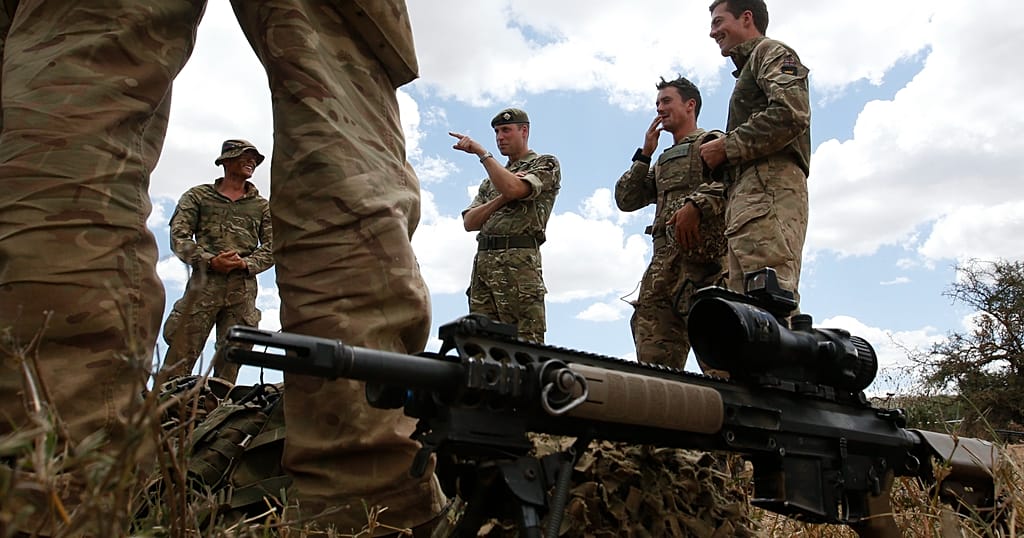
A damning report released by Kenya’s parliamentary inquiry has accused the British Army’s training unit in the country, BATUK, of serious human‑rights abuses, environmental damage and misconduct spanning decades. The investigation, conducted by the Defence, Intelligence and Foreign Relations Committee, documented numerous incidents of sexual abuse, including rape and assault, often resulting in the abandonment of children fathered by soldiers. One of the most notable cases cited is the 2012 death of a young Kenyan woman whose body was found in a hotel septic tank, a case long linked to soldiers from the BATUK base.
The report also holds BATUK responsible for environmental destruction, negligence in handling unexploded ordnance and improper disposal of military waste, which have led to injuries, deaths and land degradation. Kenyan lawmakers have described BATUK’s presence as akin to an “occupying force” rather than a partner, calling into question the long‑standing defence‑cooperation agreement with the United Kingdom. They are demanding stronger oversight, accountability and mechanisms for victims’ justice and compensation.
The findings have significant implications for the relationship between Kenya and the UK, with tensions rising over foreign military presence on Kenyan soil. The UK government responded by expressing regret over the findings and stating it is ready to investigate new allegations, provided evidence is supplied. Meanwhile, communities affected by BATUK activities are seeking justice and structural reforms, and the Kenyan government faces pressure to re‑evaluate its partnership with the UK.
Although concerns over human‑rights abuses and environmental damage caused by BATUK have been raised before, the parliamentary report provides a comprehensive account of the scale and extent of the problems. Its conclusions are likely to have major consequences for the future of UK‑Kenya defence cooperation. As the situation unfolds, it remains to be seen how the Kenyan and UK governments will respond to the report’s findings and address the concerns of affected communities.




Comments are closed for this story.