
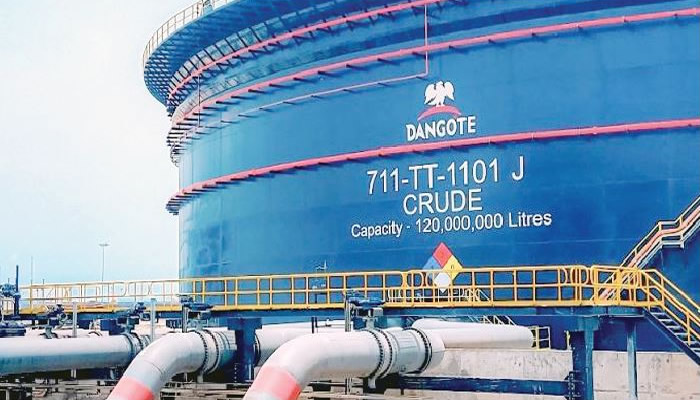
A leading energy expert has cautioned Nigerians against celebrating Dangote Refinery’s recent decision to reduce its petrol price by 15 percent to N699 per litre. Professor Wumi Iledare, a renowned petroleum economist, warned that while the move may provide temporary relief, it poses long‑term risks to the country’s downstream oil sector.
According to Iledare, the price cut signals a deeper structural problem: the sector is rapidly becoming an oligopoly. He emphasized the need for strong regulatory measures to prevent market concentration and protect smaller players. “A single dominant supplier setting the pace in a highly concentrated market demands immediate and uncompromising vigilance,” Iledare said.
The expert urged downstream and competition regulators to intensify oversight, monitor allocation practices, and enforce transparency to maintain balance and fairness in the sector. While acknowledging the short‑term benefits of the price reduction, Iledare cautioned that, without rigorous regulation, such moves could eventually harm affordability and market stability.
The Dangote Refinery’s price cut has stirred reactions across the energy sector, with many Nigerians welcoming it as a respite from high fuel prices. However, despite the reduction, the retail price of petrol in Abuja remains between N910 and N937 per litre. Iledare’s warning highlights the need for a more nuanced approach that considers the potential long‑term consequences of unchecked market dominance.
As the Nigerian government continues to grapple with challenges in the downstream oil sector, experts like Iledare are calling for increased vigilance and regulatory oversight to ensure a level playing field for all players. The situation underscores the complex interplay between market forces, regulatory frameworks, and consumer interests in the energy sector. With Dangote’s price cut serving as a catalyst for debate, stakeholders must carefully consider its implications for the broader energy landscape.



Comments are closed for this story.