
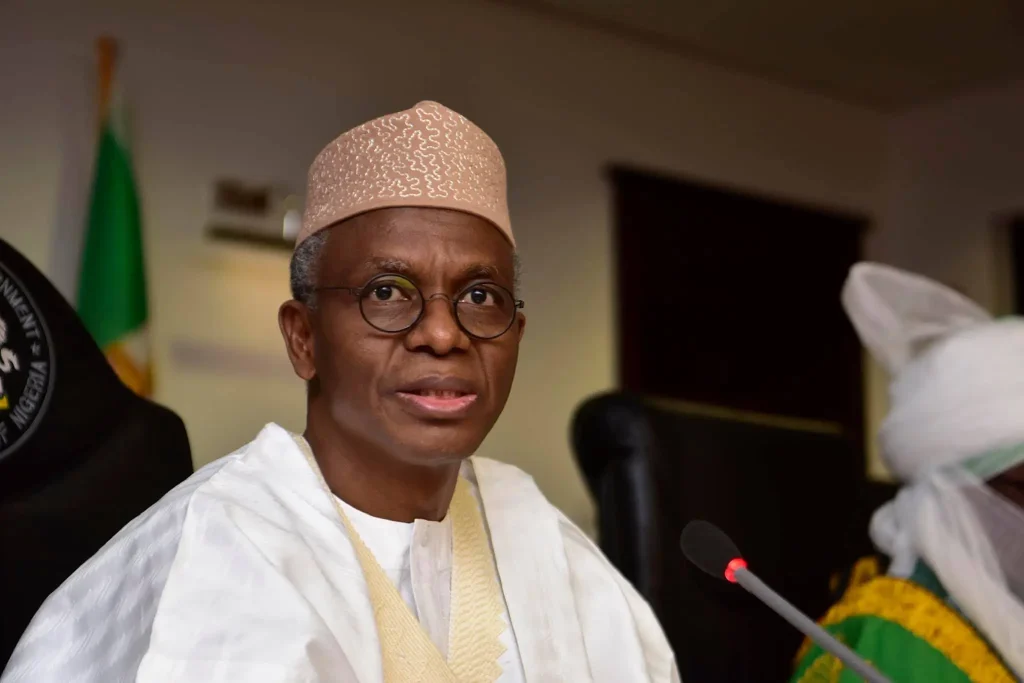
Nasir El‑Rufai, the former governor of Kaduna State, has denied reports that he specified which region of Nigeria should produce the country’s president in 2027. In a statement posted on his official social media account, he called the claims false and misleading, stressing that he never made such comments in any speech, interview, or online post.
El‑Rufai’s response came after a widely circulated report alleged that he had declared a particular region should produce Nigeria’s next president. He emphasized that the allegation is entirely untrue and should not be attributed to him, noting that he only expresses his opinions through his verified social‑media platforms and recognized media interviews.
He also warned against attributing opinion articles written by other authors to him simply because he shared them on his social‑media pages. Such practices, he said, are incorrect and improper, as they can be misleading and cause confusion.
The denial is significant given ongoing discussions about Nigeria’s political future and the importance of regional representation in leadership. By clarifying his position, El‑Rufai aims to prevent the spread of misinformation. As a public figure whose comments are closely followed, his statement highlights the need for accuracy and verification in reporting. The incident underscores the challenges of combating fake news in the digital age, where false reports can spread quickly online. In Nigeria’s political landscape, regional balance and representation are crucial, and statements from influential figures like El‑Rufai can have major implications. By denying the reports and urging verification through official channels, he seeks to maintain clarity and transparency in public discourse.
Comments are closed for this story.