The Petroleum Products Retail Outlets Owners Association of Nigeria has dismissed recent allegations made by Aliko Dangote, President of Dangote Refinery, against Farouk Ahmed, Chief Executive Officer of the Nigerian Midstream and Downstream Petroleum Regulatory Authority. According to the association, Dangote’s accusations are a form of blackmail aimed at gaining control of the country’s downstream oil sector.
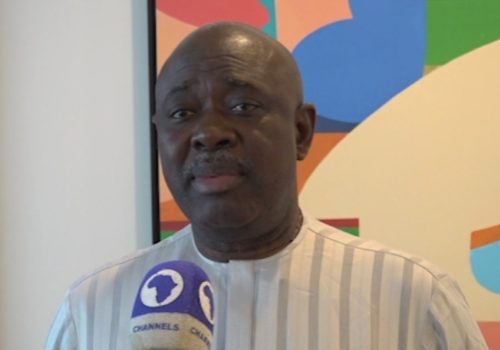
In an interview, Billy Gillis-Harry, National President of the association, expressed concerns over the allegations, describing them as petty and lacking substance. Dangote had claimed that Ahmed was paying $5 million in school fees for his children in a Swiss school, accusing him of economic sabotage by encouraging fuel importers. However, Gillis-Harry questioned the validity of these claims, stating that it was unlikely Ahmed would have the means to pay such a large sum for his children’s education.
The accusations come as the Nigerian oil industry continues to face challenges, including fuel scarcity and price fluctuations. The Nigerian Midstream and Downstream Petroleum Regulatory Authority plays a crucial role in regulating the industry, and any allegations of wrongdoing by its leadership could have significant implications. Gillis-Harry’s comments suggest that the association is skeptical of Dangote’s motives, implying that the accusations may be driven by a desire to gain an advantage in the industry.
The dispute highlights the complexities and rivalries within Nigeria’s oil sector, where different stakeholders often have competing interests. As the country seeks to develop its oil industry and address ongoing challenges, allegations of corruption and sabotage can have far-reaching consequences. The Nigerian government and regulatory authorities will likely be closely watching the situation, as it has the potential to impact the stability and development of the sector.
The accusations made by Dangote have sparked a heated debate, with some calling for an investigation into Ahmed’s activities. However, others, like Gillis-Harry, have expressed skepticism about the validity of the claims, highlighting the need for evidence-based allegations. As the situation unfolds, it remains to be seen how the Nigerian government and regulatory authorities will respond to the accusations and what implications this will have for the country’s oil industry.