
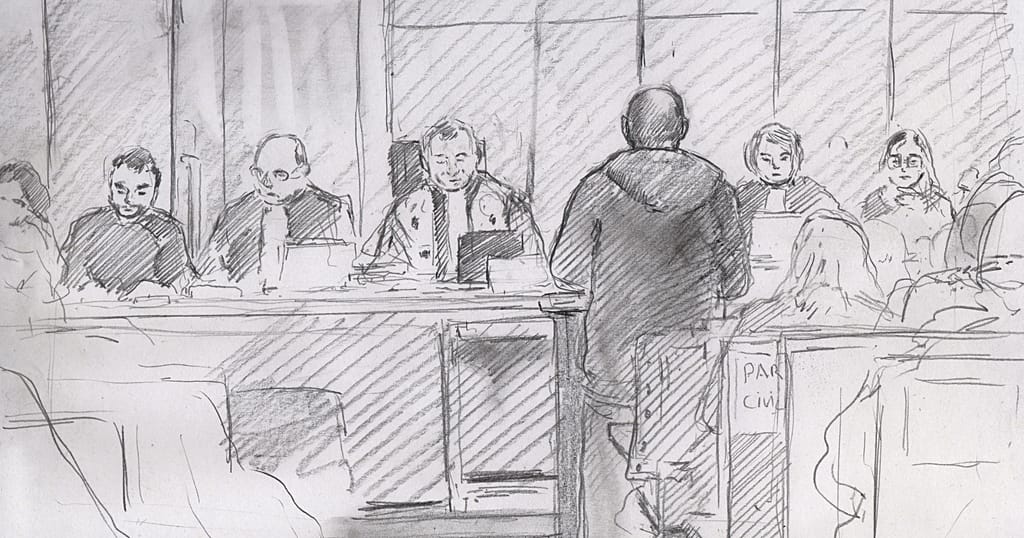
A French court has handed down a landmark verdict in the fight against impunity for war crimes, sentencing former Congolese rebel leader Roger Lumbala to 30 years in prison. Lumbada, a former minister and head of the Rally for Congolese Democracy‑National rebel group, was found guilty of complicity in crimes against humanity committed during a 2002‑2003 military operation in eastern Congo. The trial, conducted under France’s universal‑jurisdiction laws, allowed national courts to prosecute serious international crimes committed abroad.
Prosecutors presented evidence that Lumbada’s forces were responsible for widespread atrocities, including killings, torture, rape, forced labor and pillage against civilian populations. The court heard testimony from more than 60 victims and witnesses, many of whom described years of suffering endured by the communities targeted during the operation. Lumbada’s arrest in Paris in 2021 followed years of legal proceedings, and his sentencing sends a strong signal that impunity will not be tolerated. The court also ordered that he be permanently barred from French territory.
Human‑rights advocates have welcomed the ruling, noting that it demonstrates that those accused of grave international crimes can still be held to account, regardless of rank or the time elapsed. The verdict marks a significant step toward accountability for abuses committed during Congo’s deadly conflicts and is a major development in the pursuit of justice for victims of war crimes in the Democratic Republic of Congo.
The use of universal‑jurisdiction laws in this case highlights the importance of international cooperation in holding perpetrators of serious crimes accountable. The ruling is expected to have implications for future cases involving international crimes committed in Africa and beyond. As the international community continues to grapple with the challenges of prosecuting war crimes and crimes against humanity, this decision serves as a reminder of the need for perseverance and cooperation in the pursuit of justice. With this significant step toward accountability, victims and their families may finally see a measure of justice and closure.




Comments are closed for this story.